Retort pouches are flexible laminated pouches built to be filled, sealed and then sterilized with pressurized steam or hot water, typically at around 121 °C for a set time, so the food inside can be stored at room temperature. They use heat-resistant layers such as PET, nylon, aluminum foil and retort-grade cast polypropylene (RCPP) instead of the polyethylene sealant found in ordinary pouches. This guide explains how retort pouches are built, how sterilization affects them, and which tests a buyer should request before approving production.
What retort pouches are and how they differ from ordinary pouches
A standard laminated pouch is designed to be filled cold or warm and sealed. A retort pouch is a small, flexible version of a can: the sealed pack itself goes into a retort vessel and is held at sterilization temperature under pressure. Every layer, every adhesive and every seal has to survive that cycle without delaminating, leaking or losing its print.
| Feature | Retort pouch | Standard laminated pouch |
|---|---|---|
| Typical structure | PET/NY/AL/RCPP (foil) or PET/NY/RCPP (transparent) | PET/PE, PET/AL/PE, PET/VMPET/PE, kraft/PE |
| Sealant layer | Retort-grade cast polypropylene | Polyethylene |
| Process after filling | Sealed, then sterilized under pressure at around 121 °C | Sealed only; hot-fill at most |
| Storage | Ambient (shelf-stable products) | Depends on product; often chilled or dry goods |
| Adhesive and inks | High-temperature, retort-grade | General-purpose |
| Cost tendency | Higher per pouch | Lower |
| Typical products | Ready meals, sauces, soups, wet pet food | Snacks, powders, coffee, dry pet food |
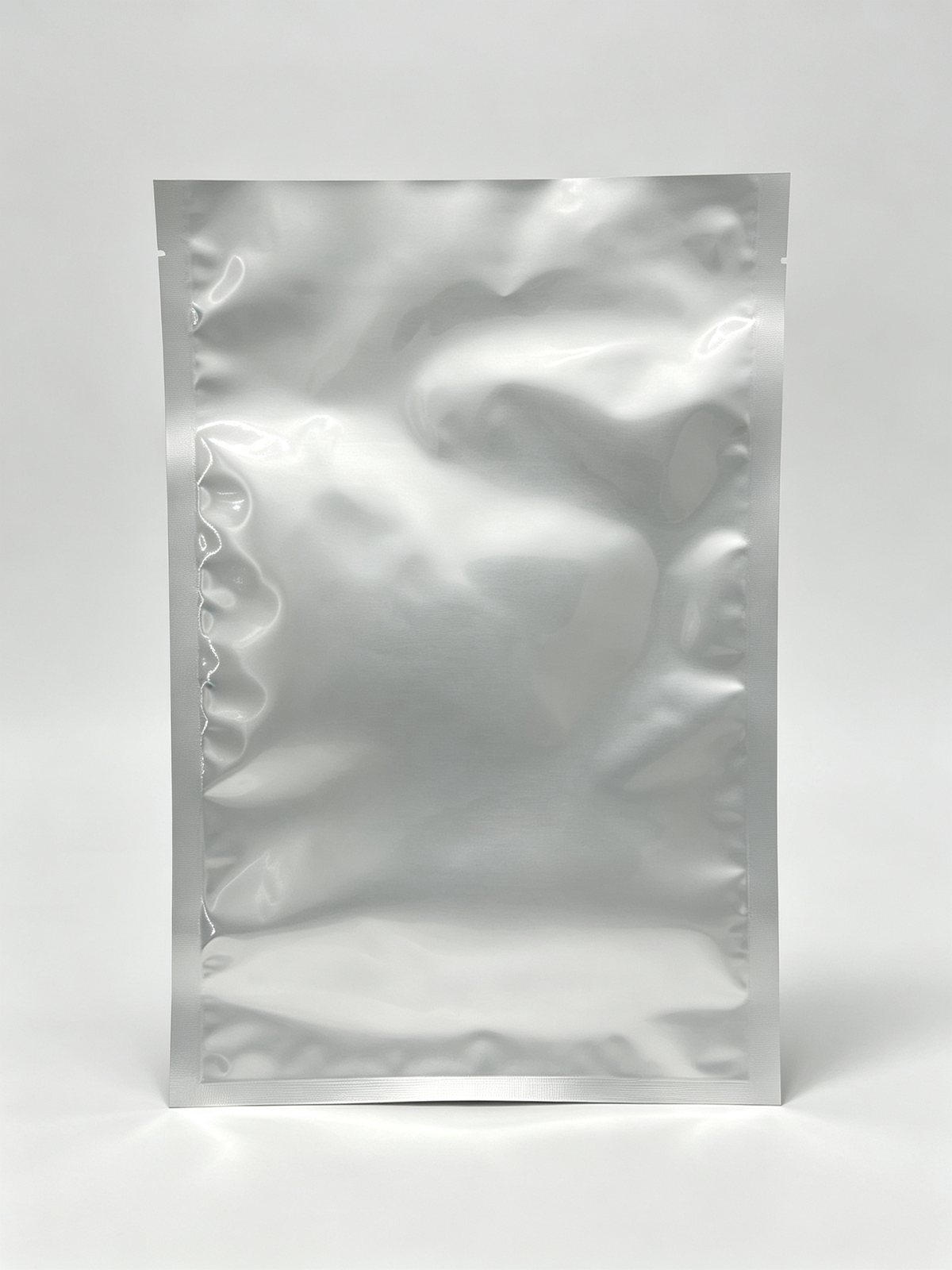
Why the PET/NY/AL/RCPP structure
The most common foil retort structure has four layers, and each one has a job during sterilization and afterward.
- PET (polyester) outer layer: carries the reverse print, resists heat and gives the pouch a stiff, glossy face.
- NY (nylon) layer: adds puncture and flex-crack resistance. It keeps the foil from cracking at folds and corners.
- AL (aluminum foil) layer: the barrier against oxygen, moisture and light, which is what allows ambient storage of a wet, cooked product.
- RCPP (retort cast polypropylene) sealant: polypropylene has a higher melting point than polyethylene, so the seal stays intact at sterilization temperature while still providing a strong, food-contact heat seal.
The layers are bonded with a retort-grade adhesive and cured before use. An ordinary laminating adhesive may look fine on the shelf but will blister or delaminate in the retort.
Transparent vs foil retort pouches
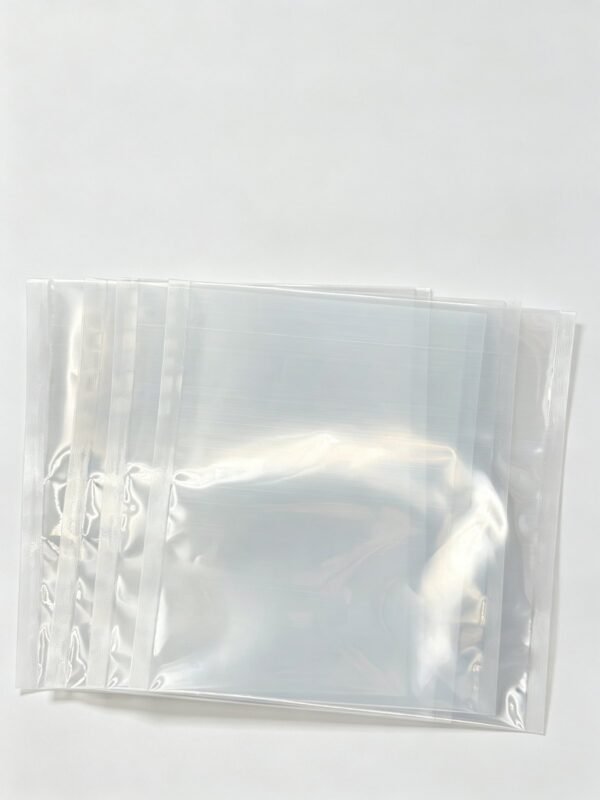
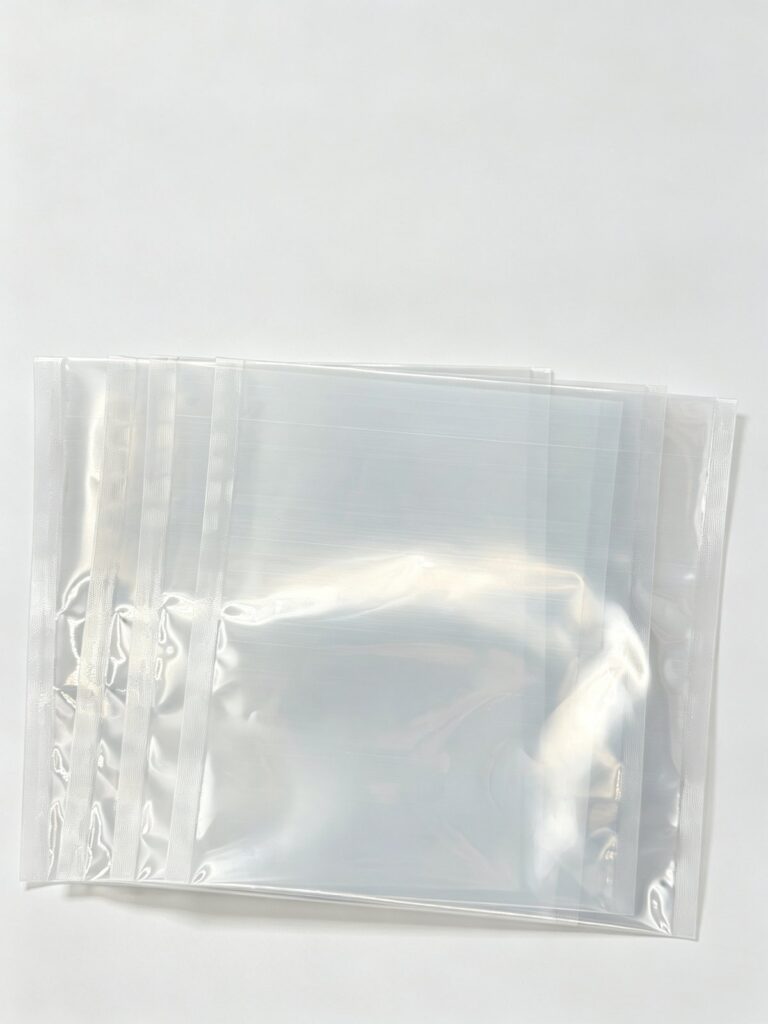
A transparent retort pouch drops the foil layer and typically uses PET/NY/RCPP or a similar all-plastic structure. It lets the consumer see the product, which suits products sold on appearance. The trade-off is barrier: without foil, oxygen and light reach the product more easily, so the achievable storage time is shorter and depends heavily on the product and any barrier coating in the structure. Foil retort pouches give the highest barrier and are the standard for long-storage ready meals, curries, soups and wet pet food. Ruixiong’s retort pouch series covers both transparent and foil constructions, including the clear three-side-seal retort pouch.
Sterilization and what it does to the pouch
After filling and sealing, retort pouches are loaded into a retort vessel and heated with steam, steam-air or hot water under overpressure. The temperature and holding time are set by the food processor according to the product’s acidity, viscosity and pack size. Overpressure is important: without it, the gas and vapor inside the pouch would expand and burst the seals. During the cycle the laminate softens and the seals are stressed; any weak spot in adhesive or print shows up as a blister, wrinkle or hazy patch.
Exact times and temperatures are the processor’s responsibility; the pouch supplier should confirm that the structure is rated for the intended cycle.
Seal integrity and the tests a buyer should request
Seal failure is the main risk with retort pouches, because a leak after sterilization lets the product spoil. Before approving a supplier, ask for the following on samples that have actually been retorted, not just on empty pouches.
- Seal strength: a tensile test of a cut strip across the seal, before and after retort processing, to show the seal holds and does not weaken in the cycle.
- Burst or pressure test: the pouch is inflated until it fails, and the failure point should be in the body, not at a seal.
- Leak test: dye penetration or a vacuum test to find pinholes and channel leaks at seal corners and at the fill seal.
- Delamination check: visual inspection and peel of the layers after retort to confirm the adhesive held.
- Visual and print check: no blistering, ink transfer or discoloration after the cycle.
- Food-contact reports: third-party reports such as FDA food-contact testing for the sealant layer and inks; Ruixiong can provide these on request.
Ask for the results in writing with the structure and thickness of each layer stated, so the tested pouch and the production pouch are the same thing. A retort trial with your product and your process on a small batch is the most reliable check.
Typical products and formats
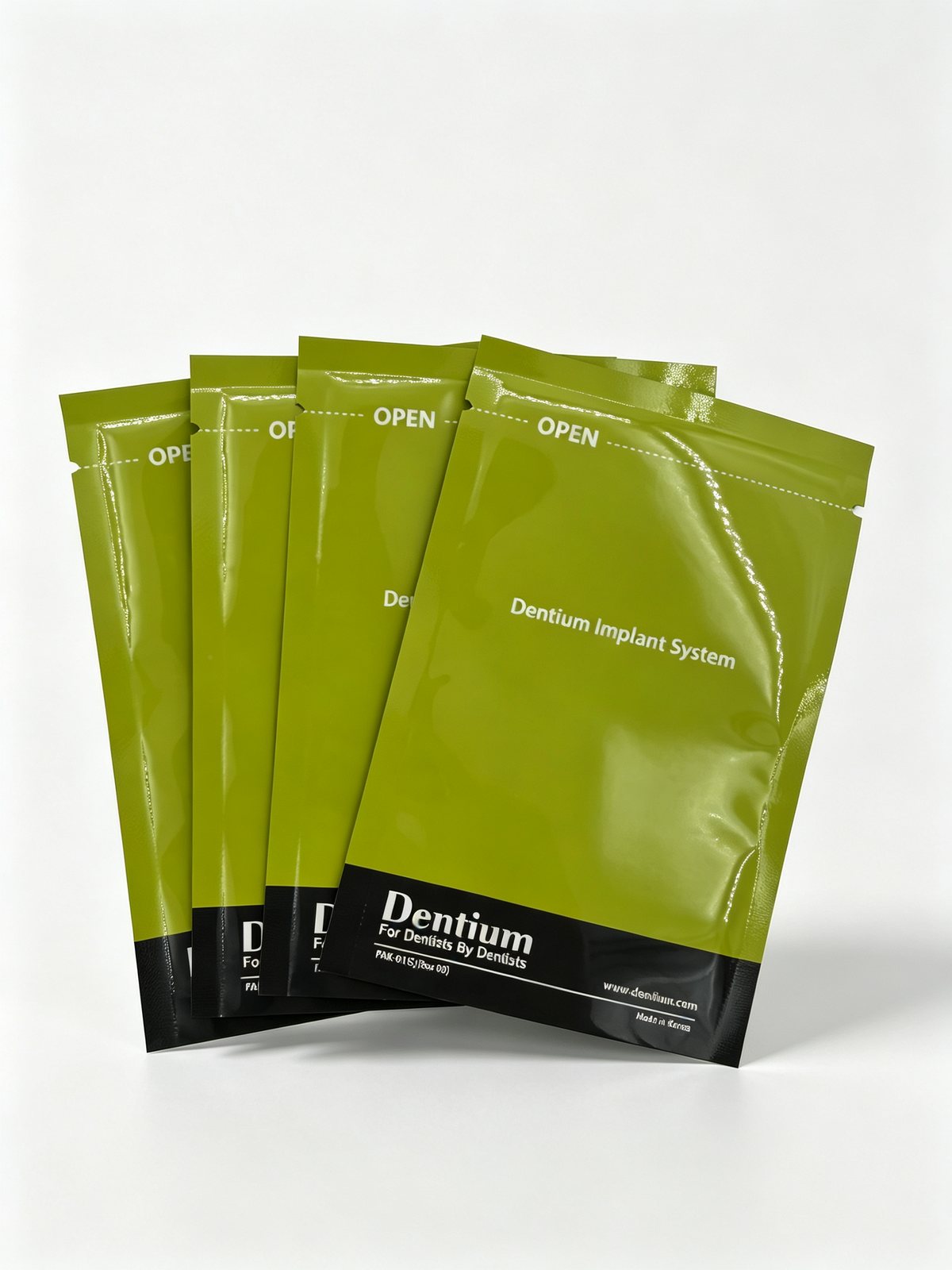
Retort pouches are used for ready-to-eat rice and curry, sauces, soups, stews, seafood, baby food and wet pet food. The formats are the same three-side-seal, stand-up and flat pouches used elsewhere, but built from retort structures. Three-side-seal pouches are the most economical and are easy to seal on automatic lines. For high-barrier products that are not retorted but vacuum-packed, a foil vacuum bag may be a better fit, and for snacks and dry goods an ordinary stand-up zipper pouch will cost less.
Printing considerations for high-temperature processing
Retort pouches are reverse-printed by rotogravure on the inside of the PET layer, so the ink is sandwiched between PET and the next layer and never touches the food or the outside of the pack. The inks and adhesive still have to be retort-grade, or the colors can shift, bleed or separate from the film. A few practical points:
- Specify at the quote stage that the pouch will be retorted; the factory then selects retort inks and adhesive rather than standard ones.
- Large solid areas of ink can highlight wrinkles after the cycle; a lighter design or a matte finish hides them better.
- Approve a retorted sample, not only a printed proof. Colors on an unprocessed pouch can look slightly different after processing.
Ruixiong prints, laminates and makes bags at its own factory in Dongguan, so ink, adhesive and sealant choices for a retort job are controlled in one place.
FAQ
Can I use an ordinary foil pouch for retort?
No. A PET/AL/PE pouch will delaminate or open at the seals under retort conditions. The sealant must be retort-grade polypropylene and the adhesive must be rated for the process.
How long does a product last in a retort pouch?
It depends on the product, the structure (foil or transparent), the process and storage conditions. Shelf life is established by the food processor through its own testing, not guaranteed by the pouch alone.
Are retort pouches microwavable?
Transparent retort pouches without foil can be designed for microwave reheating. Foil pouches must not go in the microwave and are usually reheated in hot water.
Send us your product, fill weight, sterilization process and target market, and we will propose a retort structure with samples for your own retort trial. Contact Ruixiong Packaging to discuss your retort pouch project.