Resealable pouch zipper types fall into four practical groups: press-to-close zippers (single or double track), slider zippers, pocket or inner zippers placed below a tamper-evident top seal, and tin ties for paper bags. The right choice depends on how often the consumer reopens the pack, the laminate the pouch is made from, and whether you need tamper evidence. This guide compares each option and lists what to check on samples before you approve production.
Resealable pouch zipper types compared
Every reclosable pouch works the same way: a plastic profile is heat-sealed inside the bag near the opening and the two halves lock together. The differences are in how the profile is shaped, how it is operated and where it sits in the pouch.
| Zipper type | Ease of use | Cost tendency | Best-fit products |
|---|---|---|---|
| Press-to-close, single track | Simple; needs finger pressure along the full width | Lowest | Small and mid-size pouches, hardware, samples, light snacks |
| Press-to-close, double track | Firmer close, more feedback when sealed | Low to medium | Food, coffee, powders, products opened many times |
| Slider zipper | Easiest; one-hand open and close, no alignment needed | Higher (extra component and assembly) | Large packs, frozen food, pet food, textiles, storage bags |
| Pocket / inner zipper | Same as press-to-close once the top is torn off | Low to medium | Anything that needs tamper evidence or a clean first-open experience |
| Tin tie | Fold and bend; no true seal | Low | Kraft coffee and bakery bags, short-term freshness |
Press-to-close zipper (single and double track)
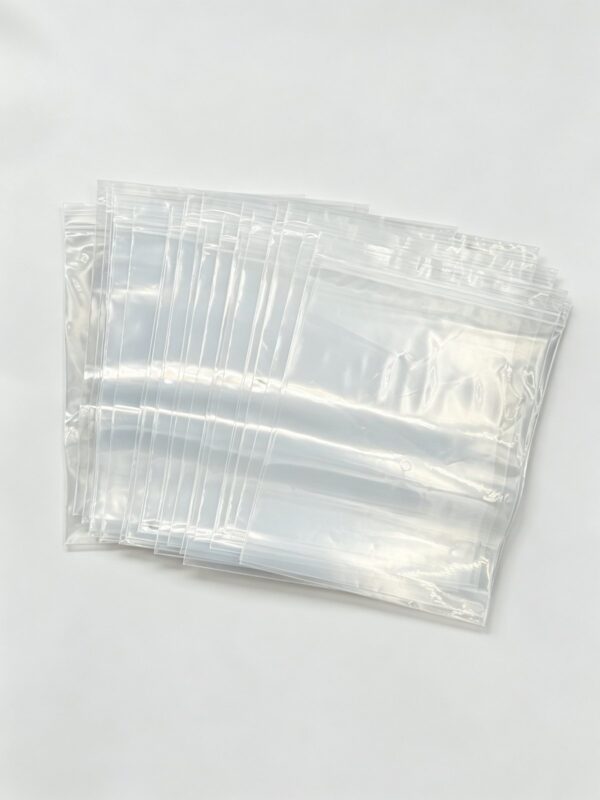
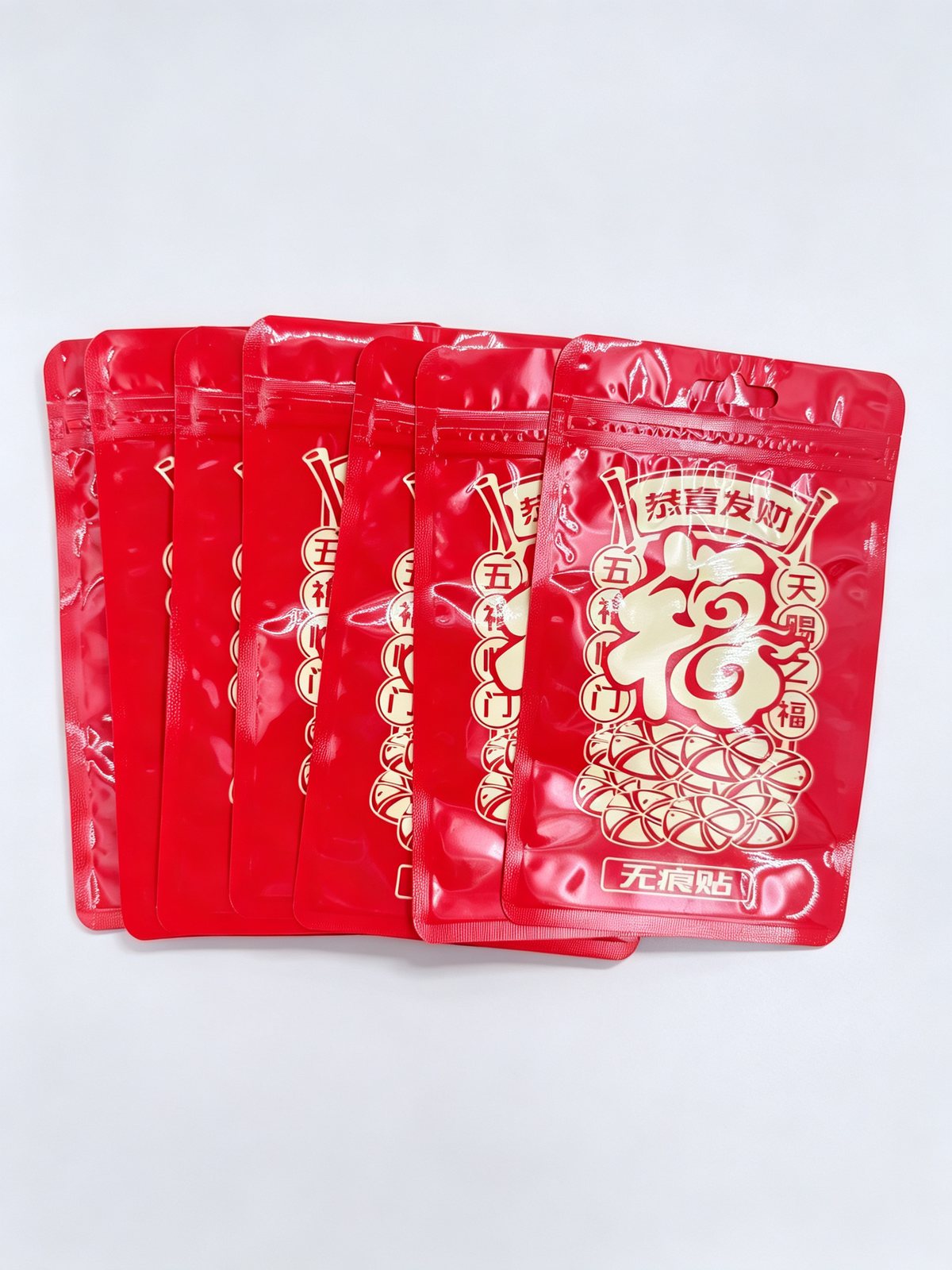
This is the standard zipper on most stand-up and three-side-seal pouches. A single-track profile has one rib and one groove and is the most economical option, used on simple PE ziplock bags and many laminate pouches. A double-track profile has two ribs and two grooves side by side. It closes more firmly and is more tolerant of powder or crumbs in the groove. For food products that are opened daily, a double-track zipper is usually the better specification.
Slider zipper
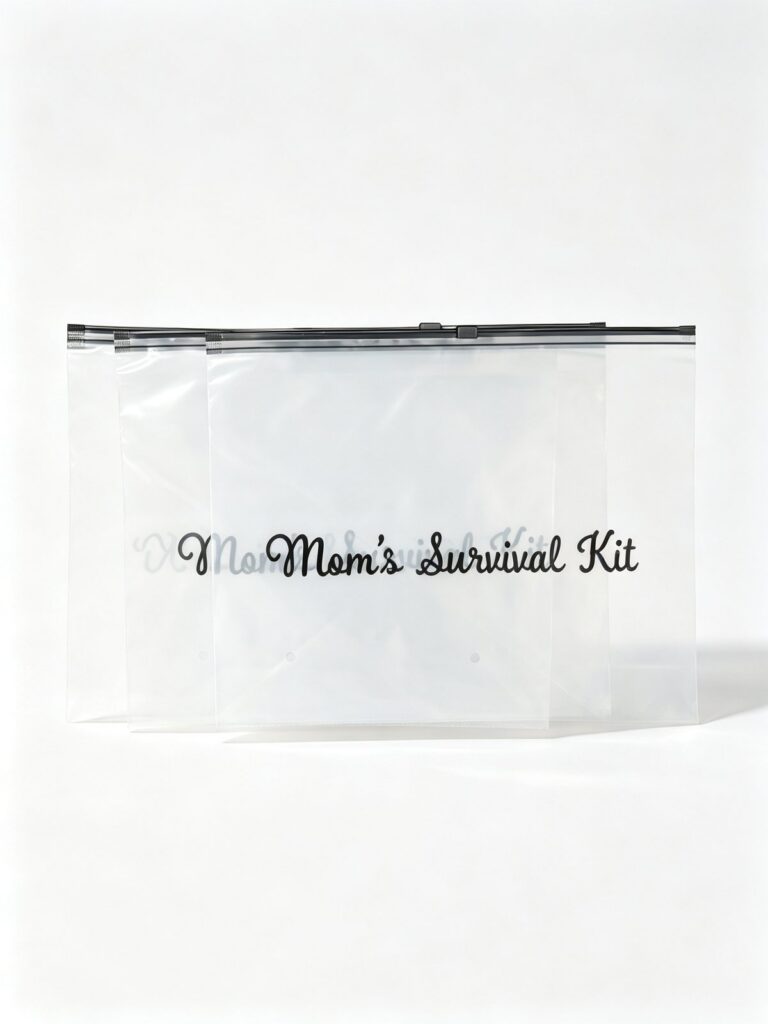
A slider zipper adds a small plastic clip that rides along the profile and forces the two halves together or apart as it moves. It is the easiest closure for consumers, especially on wide openings. Sliders are common on PE slider zipper bags for storage and textiles, and on larger laminate pouches for frozen or bulk food. The trade-offs are a higher unit cost and a slightly thicker top edge when packs are stacked.
Pocket zipper (inner zipper) vs top zipper
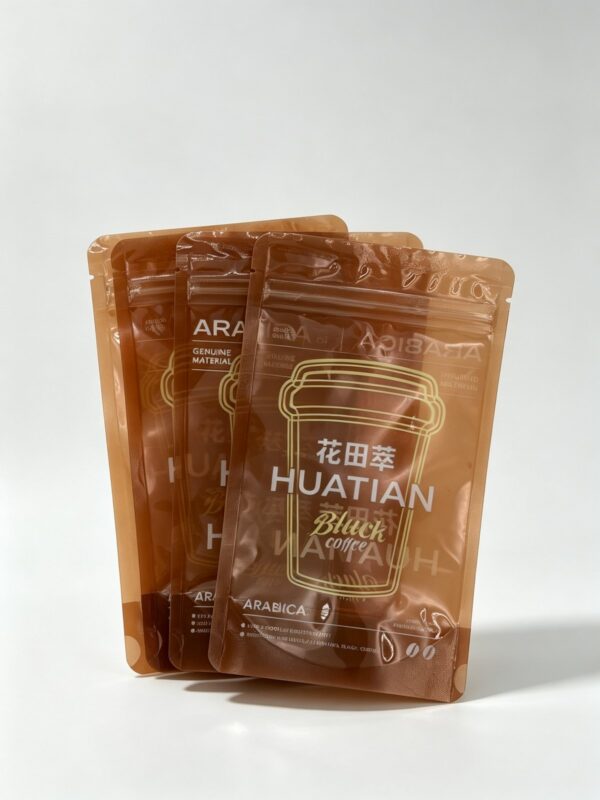
A top zipper sits right at the opening. A pocket zipper, sometimes called an inner zipper, is positioned lower, with a fully sealed strip of laminate above it. The consumer tears the top strip away along a notch and then uses the zipper underneath. Pocket zippers are the usual choice for stand-up zipper pouches in retail food, because the sealed top proves the pack has not been opened and keeps product away from the zipper during filling.
Tin ties
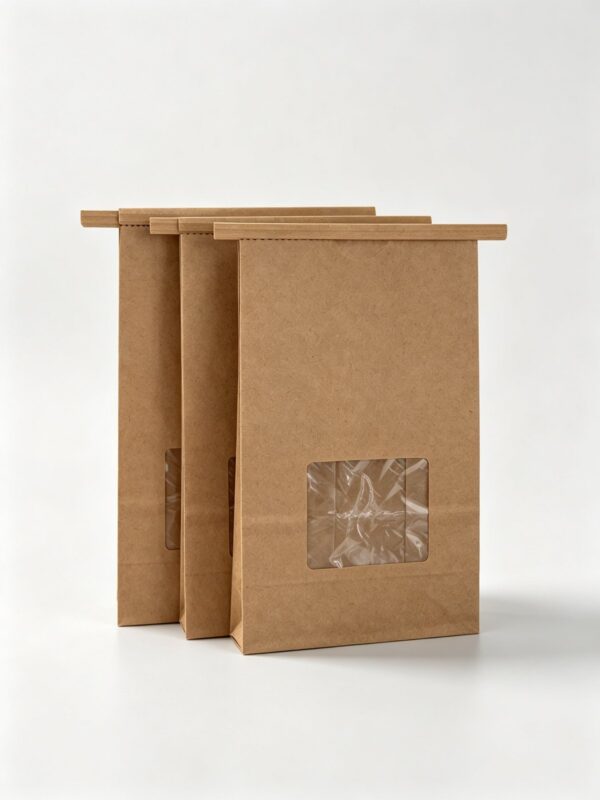
A tin tie is a flat metal-and-paper strip attached across the top of a bag. The consumer folds the top over and bends the ends to hold it. It does not create an airtight seal, but it fits the look of natural paper packaging and costs little. It is the traditional closure on a kraft window tin-tie bag for roasted coffee, tea and bakery goods.
Tear notch, top seal and tamper evidence
How the consumer gets to the zipper matters as much as the zipper itself.
- Tear notch placement: the notch should sit above the zipper, in the top seal area, so the tear runs across the pouch without cutting into the zipper profile.
- Top seal above the zipper: a fully welded band above the zipper gives tamper evidence, holds the product inside during transport even if the zipper opens, and stops fine powder from contaminating the profile at the filling stage.
- Zipper-end seals: the points where the zipper meets the side seals must be crushed and welded so the profile ends are flat. Weak end seals are the most common leak path on zipper pouches.
How zippers behave with kraft, foil and thick laminates
The zipper is normally a polyethylene or polypropylene profile, so it must be compatible with the sealant layer of the pouch. A few points deserve attention:
- Kraft laminates: paper adds stiffness but does not seal by itself. The inner PE layer does the sealing, so the zipper welds to the PE and the paper sits outside. The tear line through paper is less predictable than through film, which is why a wider top seal and a clear notch help on kraft stand-up zipper pouches.
- Foil and metallized structures: foil laminates are stiff and hold a crease, so the pouch tends to stay open while the consumer reaches inside. The stiffness also means the zipper-end seal needs enough heat and pressure to flatten the profile without cracking the foil layer.
- Thick laminates and large pouches: heavy structures used for pet food or bulk packs need a heavier zipper profile matched to the film gauge.
At Ruixiong, zipper insertion runs on the same in-house bag-making line that forms the pouch, which keeps the profile aligned with the print and the notch position consistent across the run.
What to check on zipper samples
Before approving a three-side-seal zipper pouch or any other reclosable format, put the samples through a short routine with your real product.
- Open and close cycles: open and close each sample many times in a row. The zipper should still lock with the same feel and hold the pouch shut when turned upside down.
- Zipper ends: press on the corners where the zipper meets the side seals. Look for gaps, and check that the crushed profile has not cut through the film.
- Tear test: open the pouch from the notch as a consumer would. The tear should run straight above the zipper and leave both halves intact.
- Fill and shake: fill with product, close the zipper and shake. Fine powders and greasy contents are the hardest test for a press-to-close profile.
- Machine fit and alignment: if the pouches are filled on automatic equipment, confirm the zipper and top-seal position match the filler, and check that zipper line, notch and print register line up on every sample.
Ask the supplier to state the zipper profile type and material, and whether the pouch has a top seal above the zipper.
FAQ
Which zipper is best for a stand-up food pouch?
For most retail food a double-track press-to-close zipper placed below a tamper-evident top seal is the standard choice. Move to a slider when the opening is wide or the pack is heavy.
Can a zipper be added to a foil or kraft pouch?
Yes. The zipper welds to the inner PE or PP sealant layer, so it works on foil, metallized and kraft laminates as long as the sealant is compatible and the end seals are set correctly.
Is a slider zipper worth the extra cost?
It depends on the product. Sliders make sense for large or frequently opened packs and for premium positioning; for small pouches a press-to-close zipper is usually sufficient.
Tell us your product, pouch size, laminate and filling method, and we will recommend a zipper profile and top-seal layout with samples for testing. Contact Ruixiong Packaging to discuss your resealable pouch project.