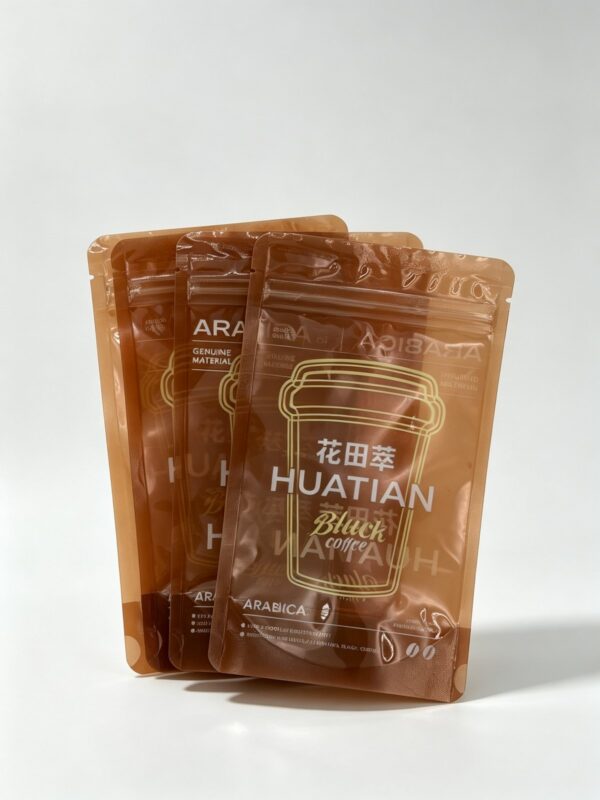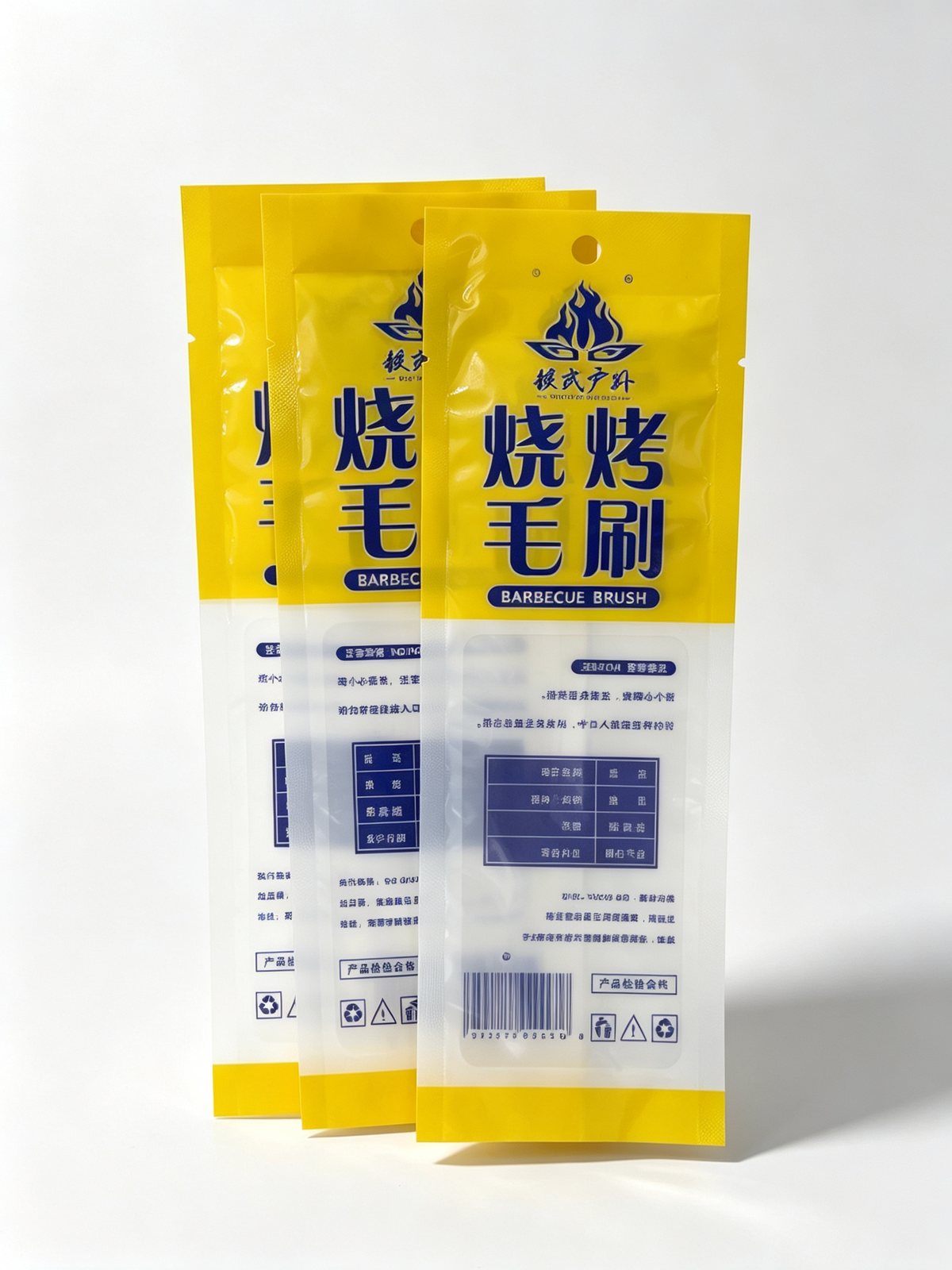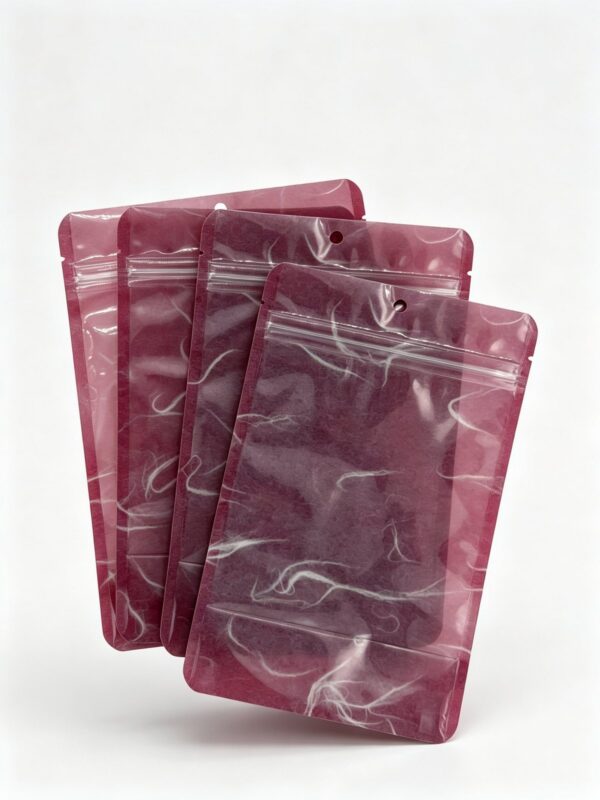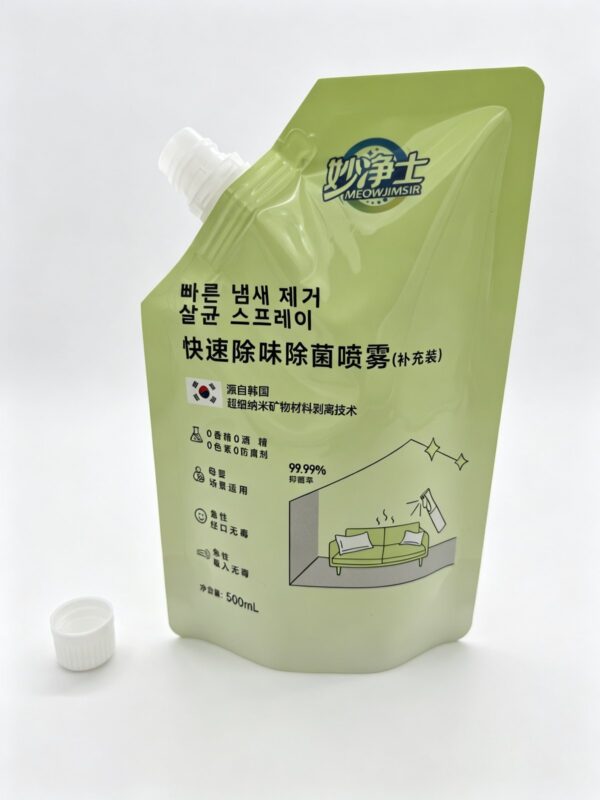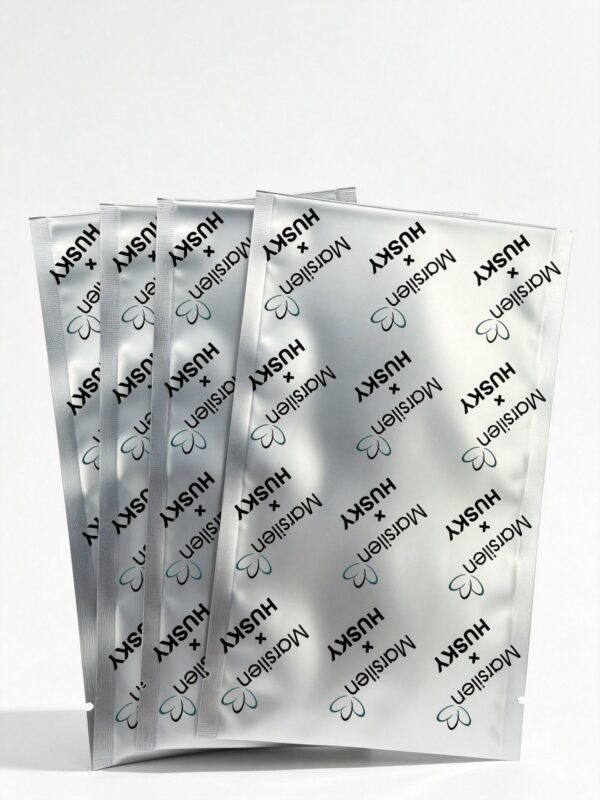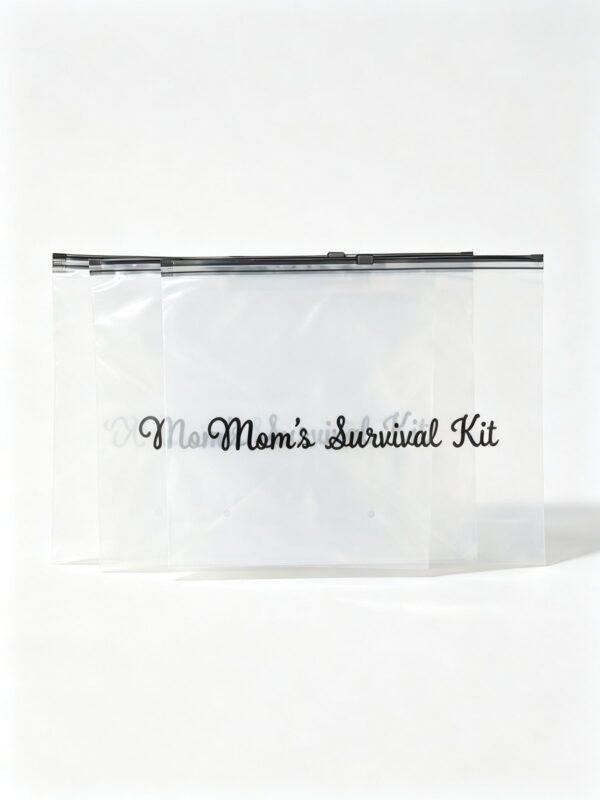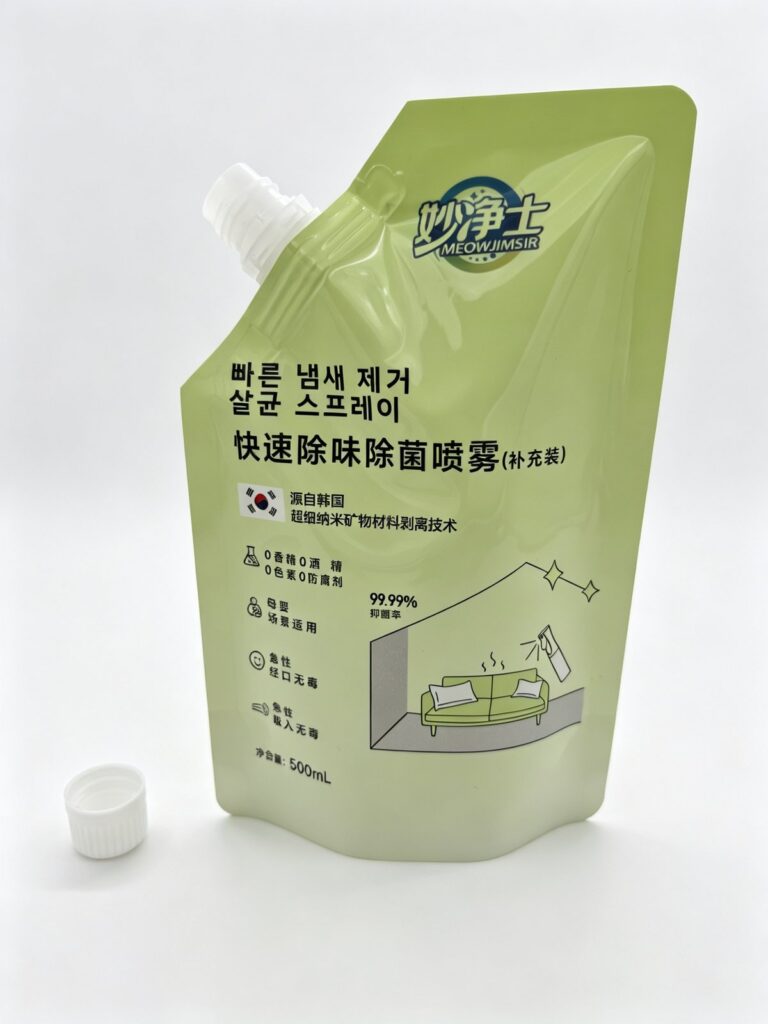
Ordering from a custom printed pouches manufacturer in China follows a predictable path: you share your product details and artwork, receive a quote that separates the bag price from a one-time cylinder cost, approve a proof or sample, and the factory then prints, laminates, makes and inspects the bags before shipping them with export documents. Most delays and surprises come from missing information at the start, so preparation matters more than negotiation.
What to prepare before you contact a custom printed pouches manufacturer
A supplier can only quote accurately when the specification is clear. You do not need every answer, but the more of the following you can share, the faster you will get a quote you can rely on.
| Item | What to provide | Why it matters |
|---|---|---|
| Product | What goes in the bag: powder, liquid, oily, sharp-edged, frozen, aromatic | Decides the barrier level and sealant layer |
| Fill weight or volume | Weight per pack, and bulk density if you know it | The same weight of coffee beans and of protein powder needs very different bag sizes |
| Format and dimensions | Bag style, width, height, gusset; or a reference sample | Sets film usage and cylinder size |
| Material and finish | Preferred structure if you have one, gloss or matte, window, foil or metallized | A major driver of unit price |
| Quantity | Quantity per design and number of designs | Unit price falls as the run gets longer |
| Artwork | Draft or final files and the number of colors | Sets the cylinder count |
If you are unsure about format, browse the product catalogue first. The most requested retail formats are stand-up zipper pouches, flat-bottom pouches and three-side-seal pouches. Also mention features such as a zipper, tear notch, hang hole, valve or spout, and your destination market.
The six steps from inquiry to delivery
1. Consultation
You describe the product, the sales channel and any problems with your current packaging. A good manufacturer asks questions back: how the pouch will be filled and sealed, what shelf life you are targeting, whether the pack will be frozen, boiled or shipped long distances. If a supplier quotes instantly without asking anything, be careful.
2. Proposal and quote
The proposal recommends a laminate structure, thickness and bag size. The quote normally has two parts:
- Bag price, quoted per piece at one or more quantity levels.
- Cylinder cost, a one-time setup charge for rotogravure printing. There is one cylinder per color, sized to your bag, and it is not charged again on reorders of unchanged artwork.
The main drivers of the unit price are bag size, material structure and thickness, quantity, the number of colors and special finishes, and add-ons such as zippers, valves and spouts. Check which trade term the price is based on and whether freight is included, so that you compare quotes on the same basis.
3. Sampling
There are several levels of sampling, and they answer different questions:
- Existing samples of similar bags let you check material feel, size and fill, and run trials on your filling and sealing equipment.
- A digital proof confirms layout, text, colors by reference and the position of seals and zippers.
- A physical proof or small-batch sample run shows your real artwork on the real structure. It costs more, but it is worth it for a product launch or a demanding brand color.
Ruixiong Packaging supports both digital and physical proofs and handles small-batch sampling as well as volume orders.
4. Cylinder making and production
Once you approve the proof, the cylinders are engraved and production begins: printing, laminating, curing, slitting and bag making. Curing time for the laminating adhesive cannot be rushed without risking odor or weak bonding, which is one reason realistic schedules matter. Ask whether all stages are done in house. At Ruixiong, printing, laminating and bag making are all carried out in our own Dongguan factory, which keeps quality and scheduling under one roof.
5. Quality inspection and test reports
Ruixiong runs a three-stage quality inspection before goods are released. Across the industry, typical checks cover print color and registration against the approved proof, lamination bond strength, seal strength, dimensions, zipper function and leak testing where relevant. If your market or customer requires compliance documents, say so at the quote stage. Third-party test reports such as FDA food-contact, RoHS or halogen testing can be arranged, but they take time and should be planned rather than requested at shipment.
6. Delivery and export documents
Pouches ship flat in cartons, by sea for volume orders and by air or courier for urgent or small shipments. Agree on the trade term (for example EXW, FOB, CIF or a door-to-door service) so that it is clear who books freight and who pays which charges. Standard export paperwork includes a commercial invoice, a packing list and the bill of lading or air waybill, plus a certificate of origin when your customs authority requires it. Ruixiong supports export customs clearance and trade documents.
Questions to ask any supplier
- Are you a manufacturer or a trading company, and which processes are done in house?
- Which laminate structure do you recommend for my product, and why?
- How many cylinders does my design need, and will you store them for reorders?
- What proofing options do you offer before mass production?
- What tolerances apply to dimensions, thickness, color and delivered quantity?
- Which certifications do you hold, and which test reports can you provide for my structure?
- How are defects and claims handled?
You can read more about our background, ISO 9001 and ISO 14001 certification on the about Ruixiong page.
Common mistakes to avoid
- Sizing the bag by weight alone. Test-fill a sample with your real product before approving the dimensions.
- Comparing quotes with different specifications. A thinner film or a metallized layer in place of foil will always look cheaper on paper.
- Approving proofs in a hurry. A text error found after engraving means a new cylinder.
- Forgetting the filling line. Tell the supplier whether you seal by hand or on automatic equipment.
- Leaving compliance to the end. Confirm labeling rules and the test reports you need before production starts.
- Planning with no buffer. Allow time for proofing, production, curing and sea freight ahead of your launch date.
FAQ
Can I order a small quantity first?
Often, yes. Minimums depend on bag size, structure and printing method, so ask for prices at several quantities. Ruixiong handles both small-batch sampling and volume orders.
Do I pay for cylinders again when I reorder?
Not if the artwork and bag size are unchanged. Ruixiong stores customer cylinders, which also makes reorders faster.
What if I do not have finished artwork yet?
You can still get a quote from the bag size, material and an estimate of the number of colors. Ask for the dieline template early so that your designer works to the correct dimensions.
Ready to start? Send us your product, fill weight, preferred format, quantity and artwork, and we will reply with a structure recommendation and a clear quote: contact Ruixiong Packaging.