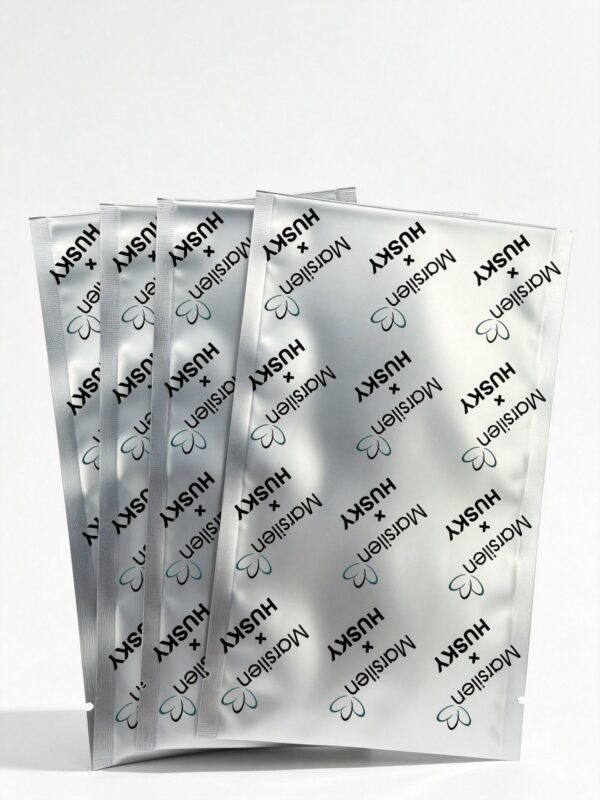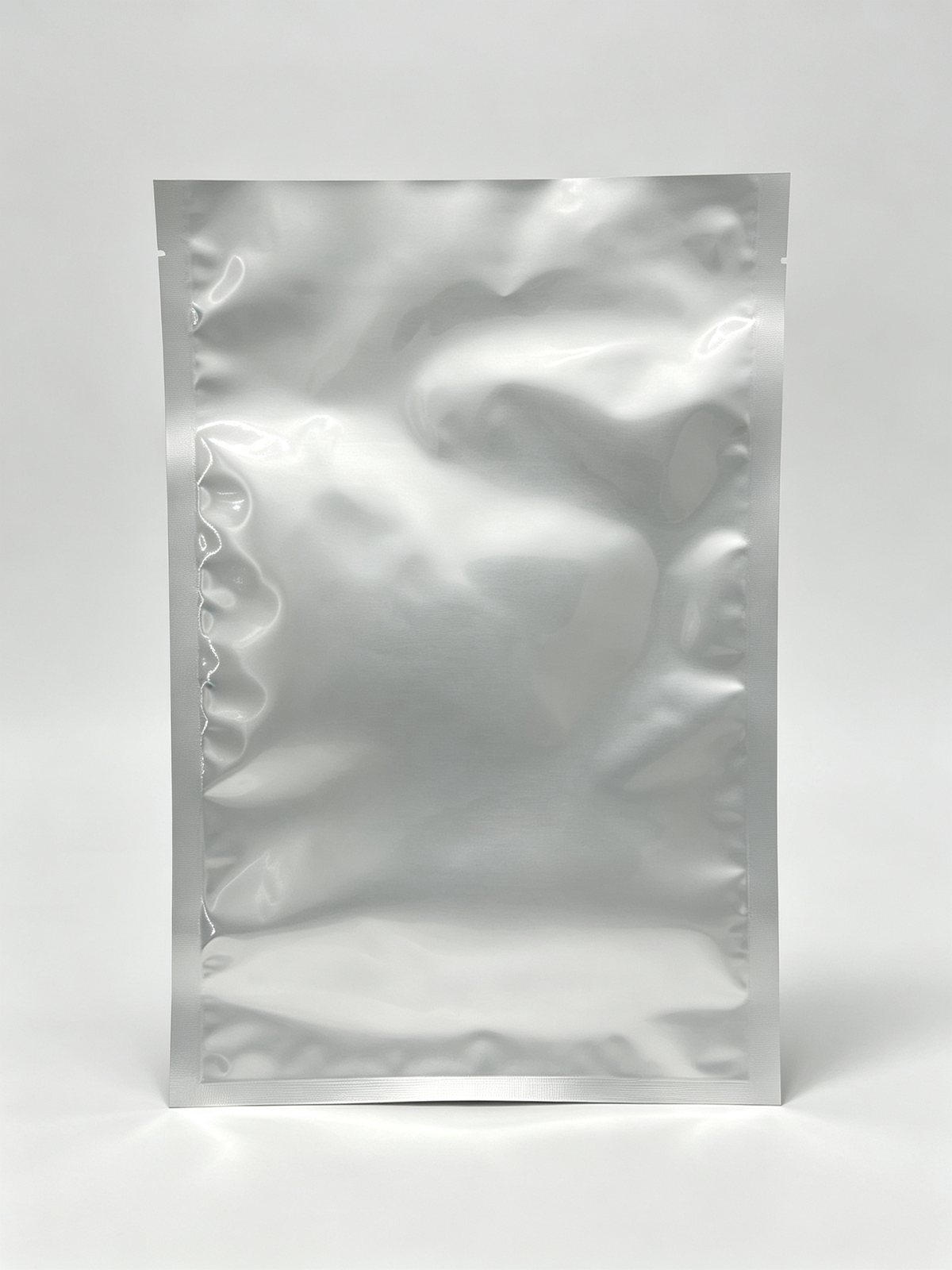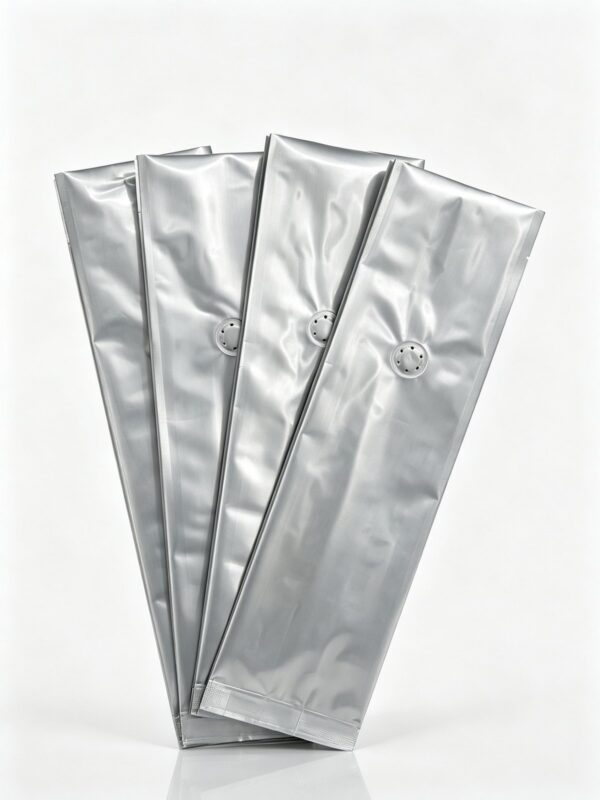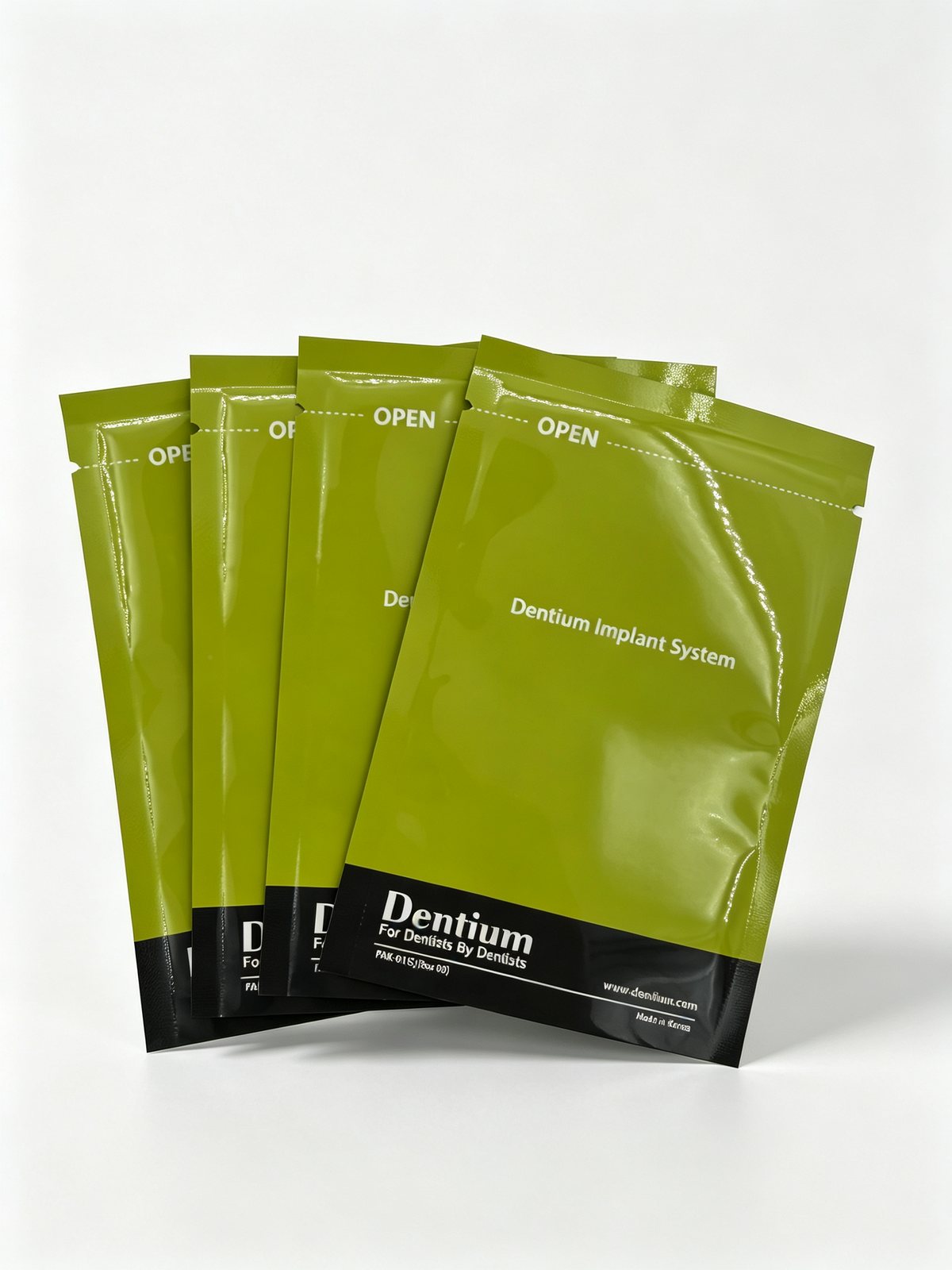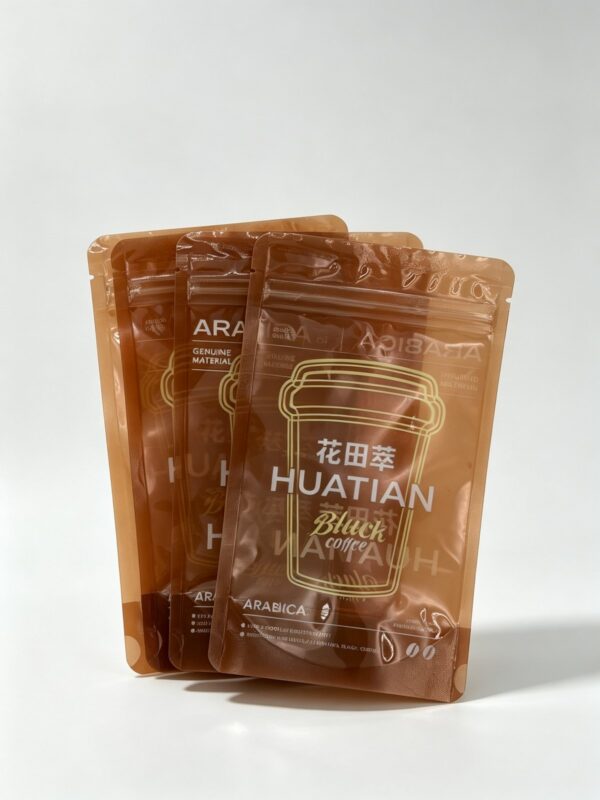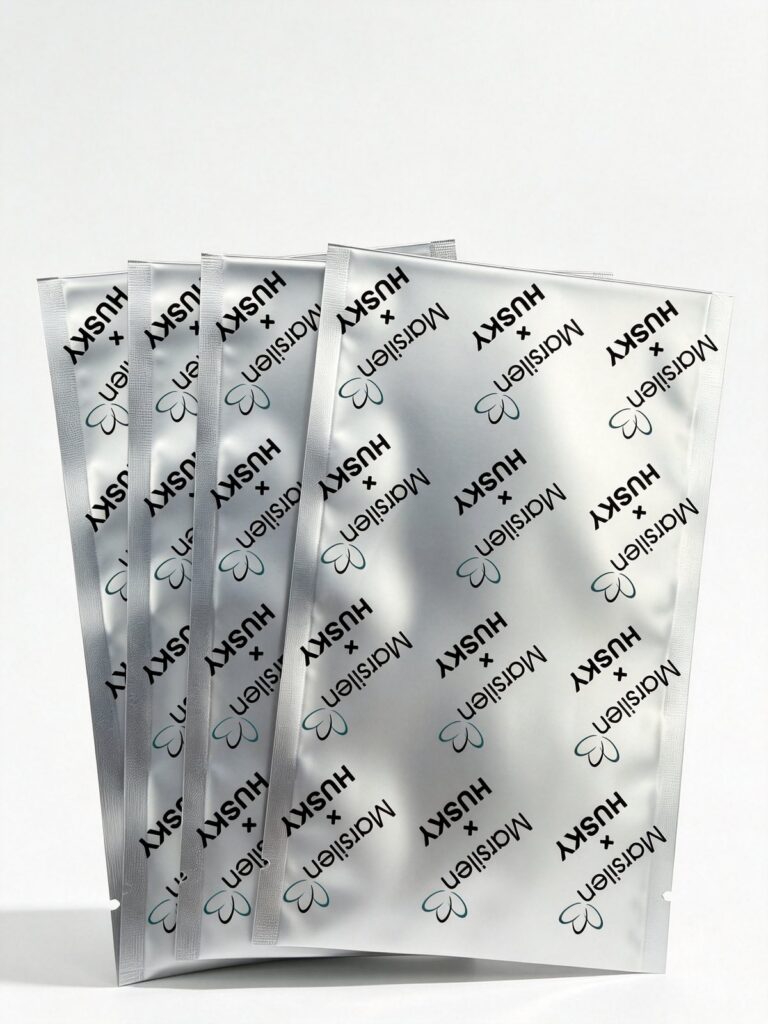
Mylar bag thickness is usually quoted in mil or micron, and for most food and consumer products the finished laminate falls somewhere between roughly 70 and 150 µm (about 3 to 6 mil). Thickness mainly affects stiffness, puncture resistance, seal strength and cost; the barrier against oxygen, light and moisture comes from the aluminum foil or metallized layer inside the laminate, not from how thick the bag is. Choosing the right thickness means matching the structure to the product, the filling line and the shelf life you need, rather than simply buying the heaviest film.
Mil vs micron: reading a thickness spec
Two units are used for film thickness, and they are easy to confuse.
- Micron (µm) is one thousandth of a millimeter. It is the standard unit in Asian and European factories and on technical data sheets.
- Mil is one thousandth of an inch, common in North American listings. One mil equals 25.4 µm, so a “5 mil” bag is about 127 µm and a “3.5 mil” bag is about 89 µm.
Note that mil is not millimeter: a 5 mil bag is 0.127 mm thick. When you send a spec to a factory, state the unit clearly and say whether the figure is the total laminate thickness or a single layer.
What “mylar” means in a laminate
In everyday use, “mylar bag” means a heat-sealable pouch built around a PET film, usually with a metal layer for barrier. In practice it is a laminate of two to four films, for example:
- PET/PE: clear or printed, no metal layer, basic moisture protection.
- PET/VMPET/PE: metallized PET in the middle; silver look, good barrier, lower cost. This is the structure behind the Metallized Stand-Up Zipper Pouch.
- PET/AL/PE: real aluminum foil in the middle; near-total barrier to light, oxygen and water vapor, used for foil vacuum bags and long-term storage.
- PET/NY/AL/RCPP: adds nylon for puncture resistance and a retort-grade sealant for high-temperature sterilization.
Mylar bag thickness by use case
The table gives typical total thickness ranges for common applications. They are general industry ranges, not fixed rules: product weight, filling method and target shelf life move the number up or down.
| Use case | Typical total thickness | Suggested structure |
|---|---|---|
| Snacks, chips, light retail packs | Around 70–100 µm (about 3–4 mil) | PET/PE or PET/VMPET/PE |
| Coffee beans and ground coffee | Around 100–130 µm (about 4–5 mil) | PET/VMPET/PE or PET/AL/PE, with one-way valve |
| Powders (protein, spices, milk powder) | Around 90–130 µm (about 3.5–5 mil) | PET/AL/PE or PET/VMPET/PE with a strong sealant |
| Vacuum packing (meat, seafood, nuts) | Around 100–150 µm (about 4–6 mil) | PET/AL/PE, nylon layer optional for puncture resistance |
| Long-term dry food storage | Around 120–180 µm (about 5–7 mil) | PET/AL/PE with heavier foil and sealant |
| Retort or hot-fill | Around 100–150 µm (about 4–6 mil) | PET/NY/AL/RCPP |
Barrier comes from the metal layer, not from thickness
This is the most common misunderstanding in mylar bag specifications. Doubling the thickness of a clear PET/PE bag does not make it high barrier; it is still plastic, and oxygen and water vapor will pass through over time. What blocks them is the aluminum layer:
- Aluminum foil (AL) is a continuous metal sheet. Even a thin foil layer gives a far better barrier than any thickness of plain plastic film, provided the foil is free of pinholes and cracks.
- Metallized PET (VMPET) carries a vacuum-deposited aluminum coating far thinner than foil. Its barrier is good and suits most snacks, coffee and dry goods, but it is not the near-absolute barrier of foil.
So when a buyer asks for a “thicker bag for longer shelf life”, the right question is usually “do you need foil instead of metallized film?” Thickness is a separate decision about handling and strength.
What thickness actually changes
Stiffness and shelf presence
A thicker laminate stands straighter, resists wrinkling and feels more premium in the hand. For flat-bottom pouches and larger stand-up pouches, a heavier structure helps the bag hold its shape on the shelf. For small sachets, too much stiffness makes the bag awkward to open and fill.
Puncture and abrasion resistance
Sharp or heavy contents such as hard kibble, coffee beans or bone-in vacuum-packed meat need more film mass or a nylon layer. Thin foil laminates flex-crack more easily, and a crack in the foil is a leak in the barrier.
Seal strength and sealing window
Most of the seal strength comes from the PE sealant layer. A thicker sealant gives a more forgiving sealing window and a stronger seal for heavy fills, but needs more heat or dwell time. Tell the factory how your line seals so the sealant can be tuned to it.
Cost and material efficiency
Film cost scales roughly with material weight, so moving from around 90 µm to around 130 µm is a noticeable increase in resin and shipping weight. Over-specifying pays for performance you do not use; under-specifying leads to leakers. The sampling stage is where the right middle ground is found.
How to tell a supplier what you need
You do not need to name a thickness to get an accurate quote. A good brief covers:
- Product and fill weight: what goes in, how much, and whether it is sharp, oily, powdery or wet.
- Required protection: light-sensitive, oxygen-sensitive, moisture-sensitive, or all three. This decides foil vs metallized vs clear.
- Process: vacuum, nitrogen flush, hot fill, retort, freezing, or plain dry filling.
- Bag format and features: three-side seal, stand-up, flat bottom, zipper, valve, tear notch, hang hole.
- Filling equipment: manual, semi-automatic or a form-fill-seal line using roll film.
- Target shelf life and market, plus any food-contact test reports you need.
With this information a manufacturer can propose a structure such as PET 12 µm / AL 7 µm / PE 80 µm and confirm it with samples. Ruixiong Packaging prints, laminates and converts in its own Dongguan factory, so thickness adjustments are made in-house. If you already have a bag that works, send a physical sample: measuring it is faster than describing it.
FAQ
Is a 7 mil mylar bag better than a 5 mil bag?
It is thicker and stiffer, which helps for large storage bags and rough handling. It is not automatically a better barrier: a 5 mil foil laminate protects against oxygen and light better than a 7 mil bag without foil.
What thickness should a mylar bag for coffee be?
Coffee bags commonly fall in the range of roughly 100–130 µm (4–5 mil), usually PET/VMPET/PE or PET/AL/PE with a one-way degassing valve. Heavier beans and larger packs sit at the upper end. See the pure foil quad-seal coffee bag as an example structure.
Can a thin bag still be a high-barrier bag?
Yes. A thin PET/AL/PE laminate is high barrier because of the foil layer; the trade-off is more flex cracking, so it suits gentle handling and smaller packs.
If you are unsure which mylar bag thickness and structure your product needs, contact Ruixiong Packaging with your product details or a sample. We will propose a laminate, confirm it with proofs and samples, and scale up on the same lines.