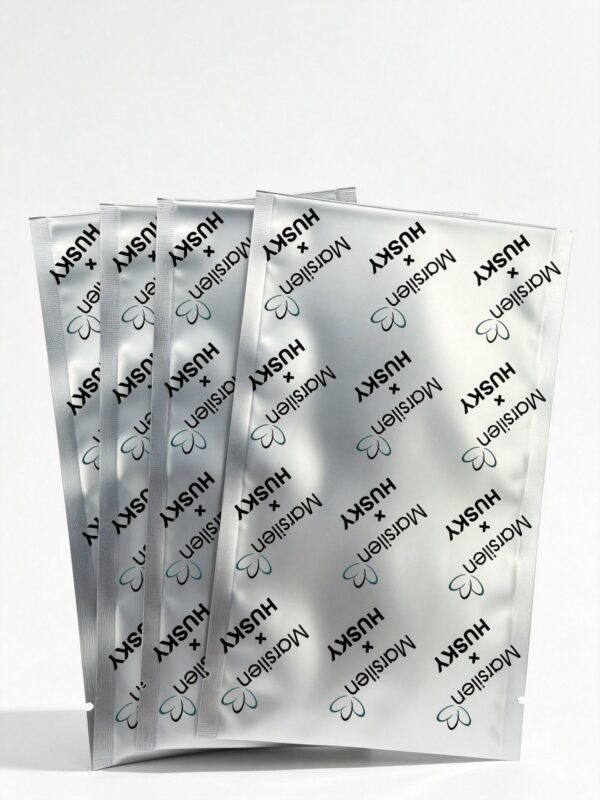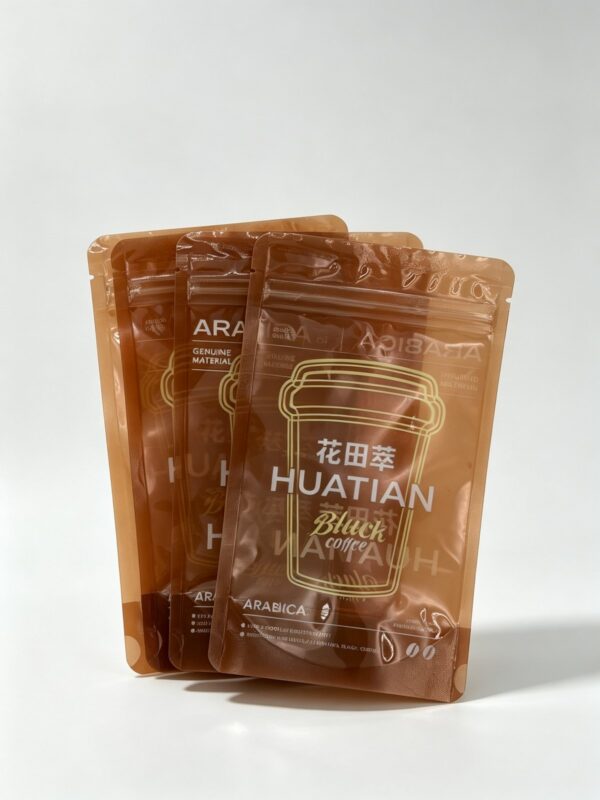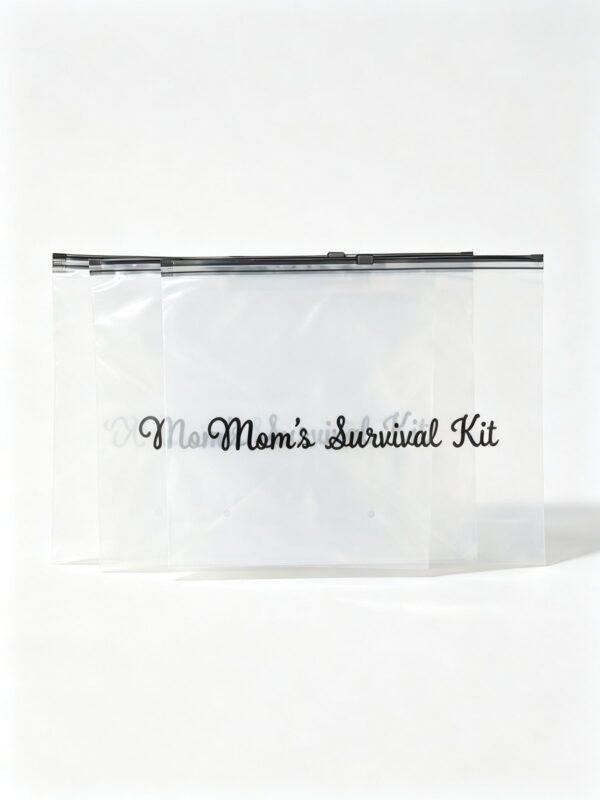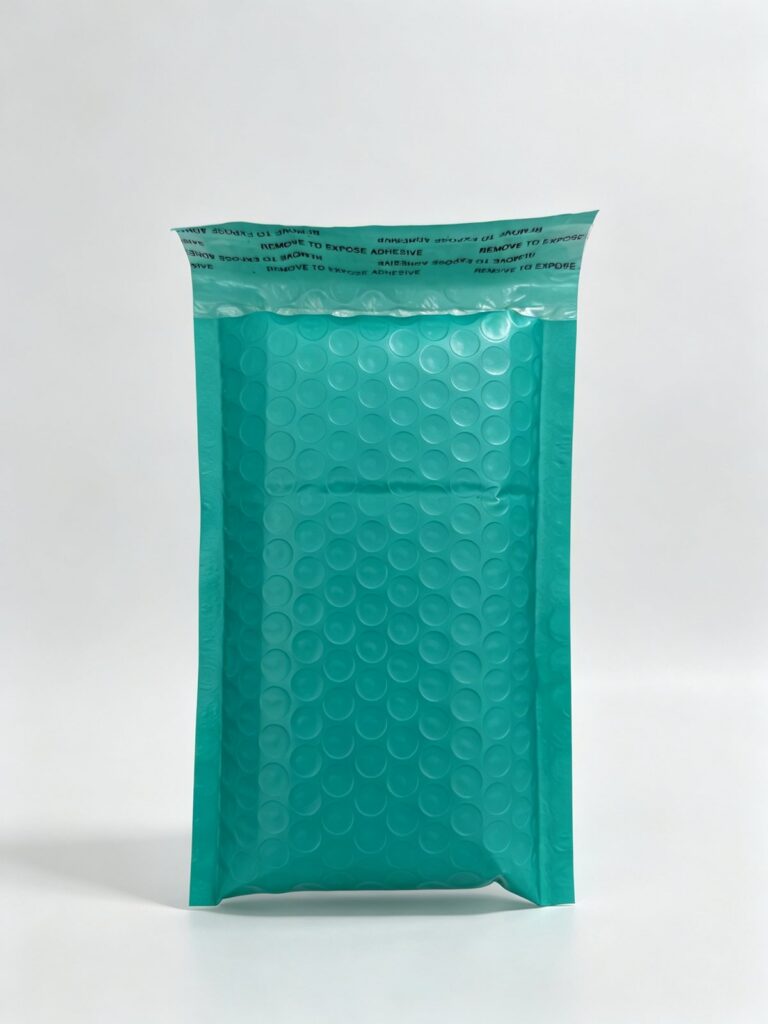
Protective packaging for e-commerce has to do three jobs: cushion the product against drops and pressure, keep out water and dust, and, for electronics, guard against static discharge. No single bag does all three. Poly bubble mailers handle shipping knocks, ESD shielding bags protect circuit boards and components, EPE foam pouches prevent scratches and absorb shock, and PVC bubble zipper bags work as reusable retail-ready protection. Most shipments combine an inner product bag with one of these outer or cushioning layers.
Choosing protective packaging for e-commerce: a quick comparison
| Format | Main protection | Best for | Limits |
|---|---|---|---|
| Poly bubble mailer | Light cushioning, water and tear resistance | Apparel accessories, books, cosmetics, small boxed goods, cables | Not for fragile or heavy items; no static shielding |
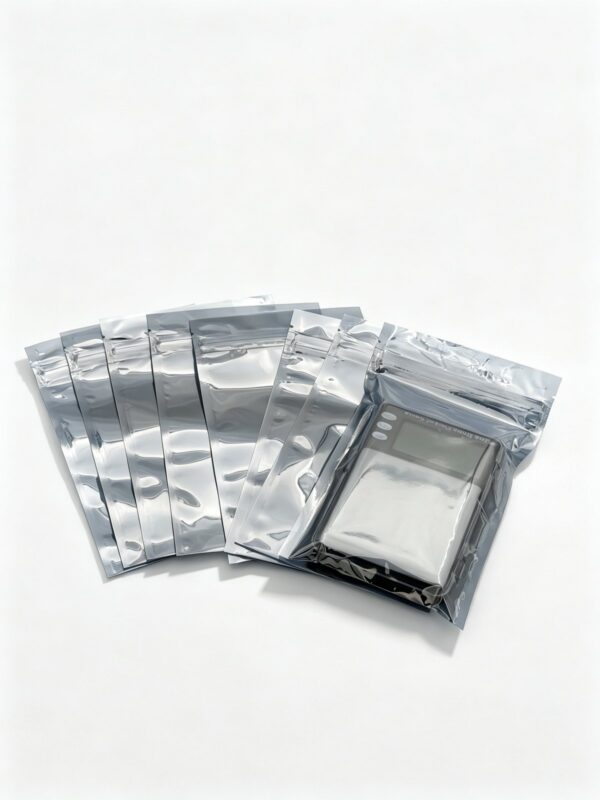
| ESD shielding bag | Static discharge and electrostatic fields | Circuit boards, memory, drives, sensors, loose components | Little cushioning by itself |
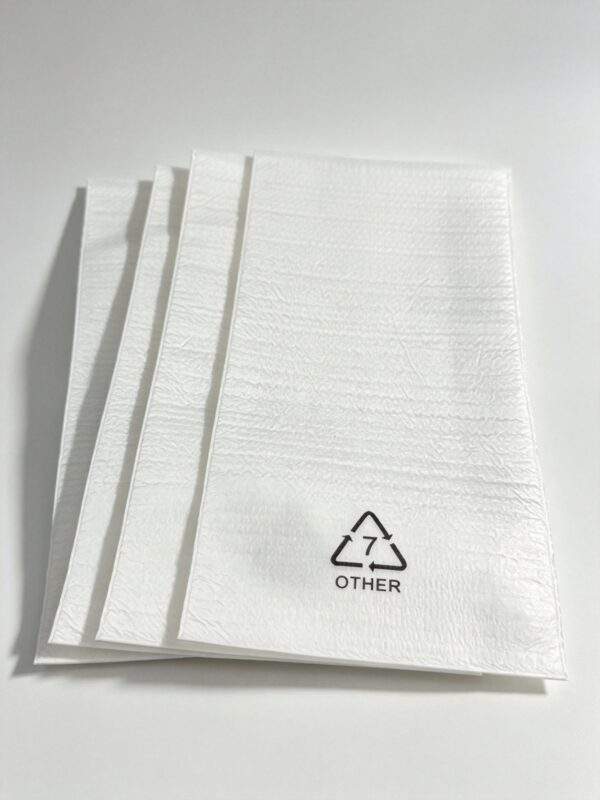
| EPE foam pouch | Scratch protection and shock absorption | Screens, glass, ceramics, polished metal, lenses, small appliances | Not a shipping outer; needs a carton or mailer |
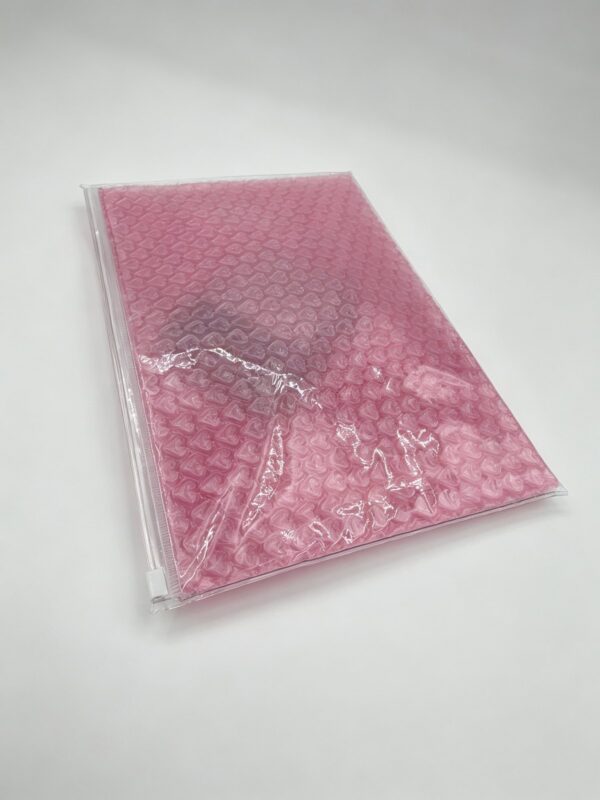
| PVC bubble zipper bag | Cushioning plus a reusable, presentable pack | Cosmetics sets, accessories, chargers, travel kits | Costs more than a plain mailer; not static shielding |
Poly bubble mailers
A bubble mailer is a co-laminated envelope: a tough outer film bonded to an inner bubble layer, closed with a self-adhesive strip. Ruixiong’s mailers use a pearlescent outer film, which is opaque, stiff, glossy and prints well.
Use them when the product is small, fairly robust and you want to avoid the weight and volume of a carton. They resist rain and rough handling better than paper envelopes, and the opaque film keeps the contents private. They are not the right choice for fragile glass, heavy hardware or anything that could be crushed; such items need a carton.
ESD shielding bags: how static shielding works
People and packaging pick up static charge constantly, from walking, from peeling tape, from film sliding against film. A discharge far too small to feel can still damage or weaken sensitive electronics, sometimes without any immediate visible failure.
An ESD shielding bag deals with this through its layered structure. A thin metal layer is sandwiched inside the film, with a static-dissipative layer on the inside. The metal layer behaves like a Faraday cage: when a charged object touches the bag, the charge spreads around the outside of the enclosure instead of passing through to the contents. The dissipative inner surface also stops the bag itself from generating charge as the part slides in and out.
A few practical points follow from this:
- Shielding only works when the bag is closed. A zipper or folded-and-sealed top completes the enclosure.
- Anti-static is not the same as shielding. A plain anti-static poly bag avoids generating charge but does not block an external discharge. Exposed circuit boards and components need true shielding bags.
- Condition matters. Heavy creasing or punctures can break the metal layer, so do not reuse badly worn bags for sensitive parts.
- Shielding is not cushioning. Add foam or bubble protection around the bag for shipping.
If your customers require compliance documents such as RoHS or halogen test reports for packaging materials, raise this at the quote stage.
EPE foam pouches
EPE, or expanded polyethylene foam, is soft, elastic and non-abrasive. An EPE foam pouch wraps the product in a cushioning skin that prevents scuffs on glossy surfaces and absorbs minor impacts. It is widely used for screens, glassware, ceramics, polished metal parts and camera lenses.
Foam pouches are an inner layer. The product still needs a carton or mailer around it. For electronic parts, ask about the anti-static version of the foam. Thicker foam gives more cushioning but adds volume, so test with your actual product and carton rather than guessing.
PVC bubble zipper bags
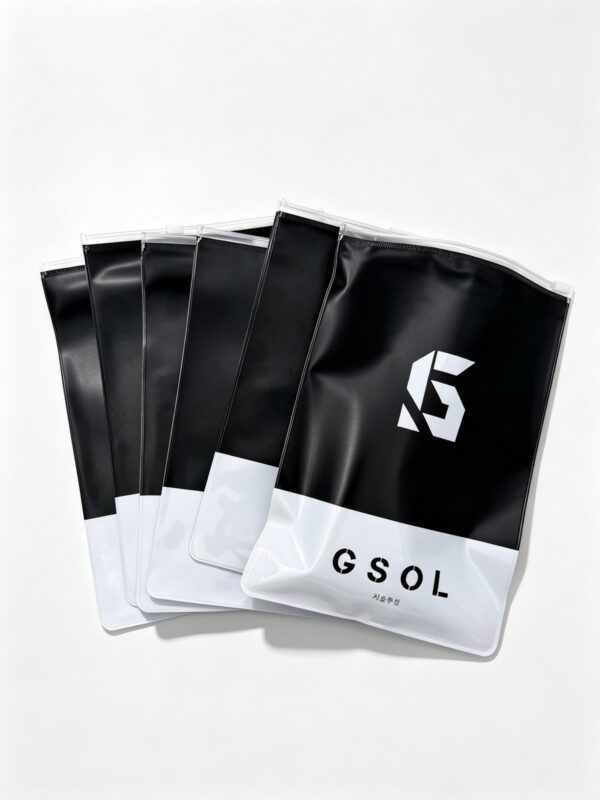
A PVC bubble bag laminates a glossy PVC outer film to an inner bubble layer and closes with a zipper. It cushions like a bubble mailer but looks like a finished product pack, and customers tend to keep and reuse it. This makes it a good fit for cosmetics sets, accessories, chargers and travel kits, where the bag is part of the product experience. Check material requirements for your destination market, because some retailers and regions restrict PVC in packaging.
Combining inner product bags with outer mailers
The outer mailer protects the shipment; the inner bag protects and presents the product. Separating the two jobs usually gives a better result than asking one bag to do everything.
- PE bags are the all-purpose inner bag: clear, soft, tough and economical, in flat, ziplock or slider styles.
- CPE bags have a frosted matte finish and a soft touch that does not scratch surfaces. CPE flat bags are common for phone cases, electronics accessories and apparel.
- BOPP bags are crystal clear and crisp. BOPP header bags double as hang-sell retail packaging for stationery, cards and small accessories.
A typical combination is a garment in a CPE or PE bag inside a printed bubble mailer, or a circuit board in a shielding bag, wrapped in an EPE pouch, inside a carton. The inner bag keeps the product clean if the outer is damaged, and makes returns easier to restock.
Sizing tips
- Measure the packed product, including its inner bag or retail box, not the bare item.
- Allow for thickness. A thick item uses up bag width and length as the bag wraps around it, so add the product’s thickness to both dimensions plus a small allowance.
- Check usable inner size. On bubble mailers the inside is smaller than the outside because of the bubble layer and side seals, and the flap is not usable space.
- Avoid oversizing. Extra room lets the product slide and wastes material and freight volume.
- Test real samples with real products before confirming an order.
Branding tips
- Pearlescent mailer film takes solid brand colors and logos well; a simple one- or two-color design is often enough to make the parcel recognizable.
- Leave a clear, flat area for the shipping label and do not print dark patterns where labels and barcodes will sit.
- On ESD bags, printing is usually limited to a logo, the ESD caution symbol and part information.
FAQ
Can I ship electronics in a bubble mailer?
Finished, boxed accessories such as cables and cases usually travel well in a bubble mailer. Bare circuit boards and components should first go into a closed ESD shielding bag, and fragile devices need a carton.
Are pink anti-static bags and shielding bags interchangeable?
No. Anti-static bags only avoid generating charge. Shielding bags also block external discharges, which is what sensitive components need.
Can mailers and inner bags be custom printed?
Yes. Ruixiong prints in house by rotogravure, and both outer mailers and inner bags can carry your branding. Send your artwork and sizes for a quote.
Ruixiong Packaging manufactures bubble mailers, shielding bags, EPE pouches and the inner bags that go with them, so a complete packing set can come from one supplier. Tell us what you ship and how, and we will suggest sizes and structures: contact our team.