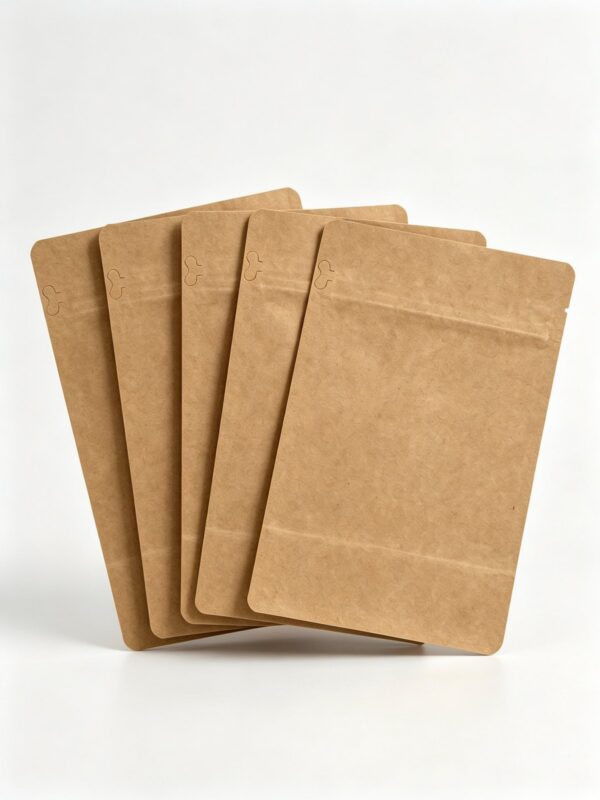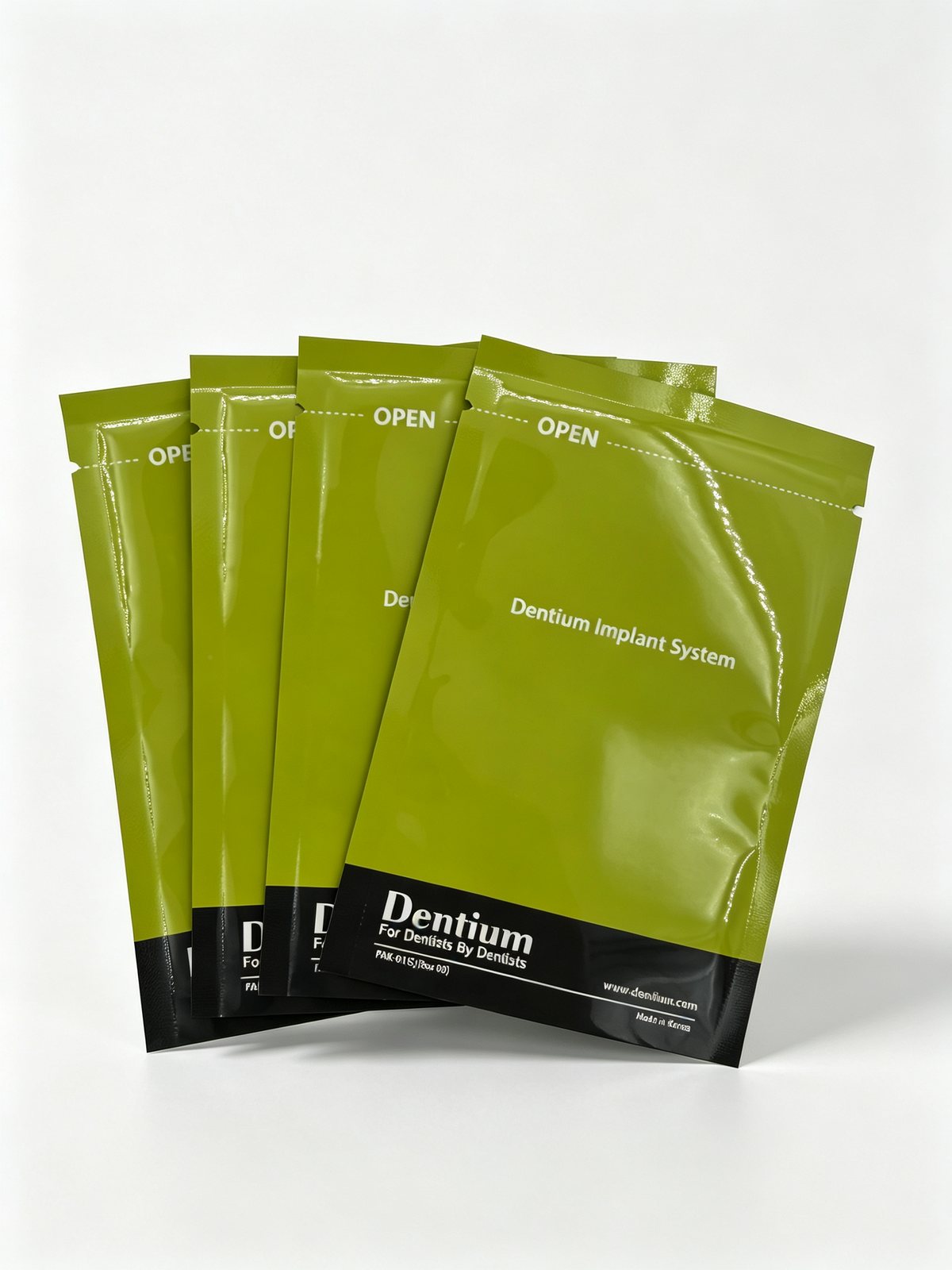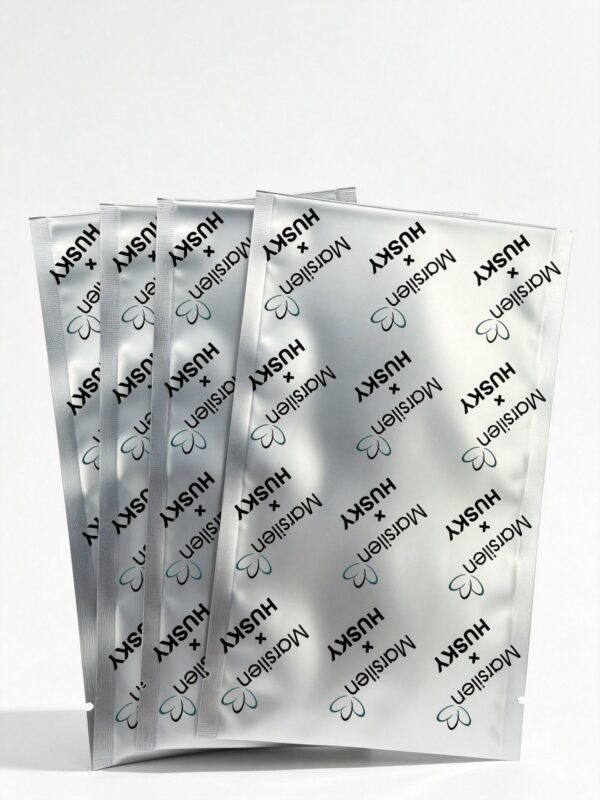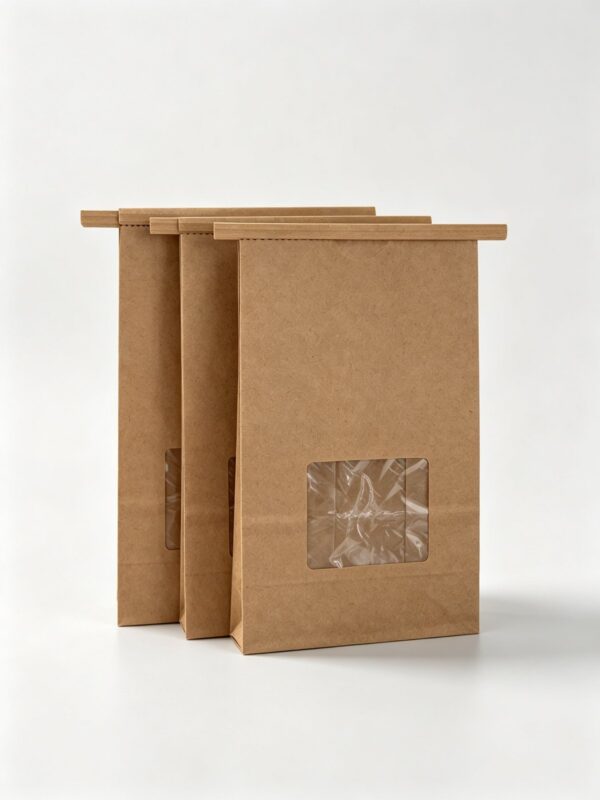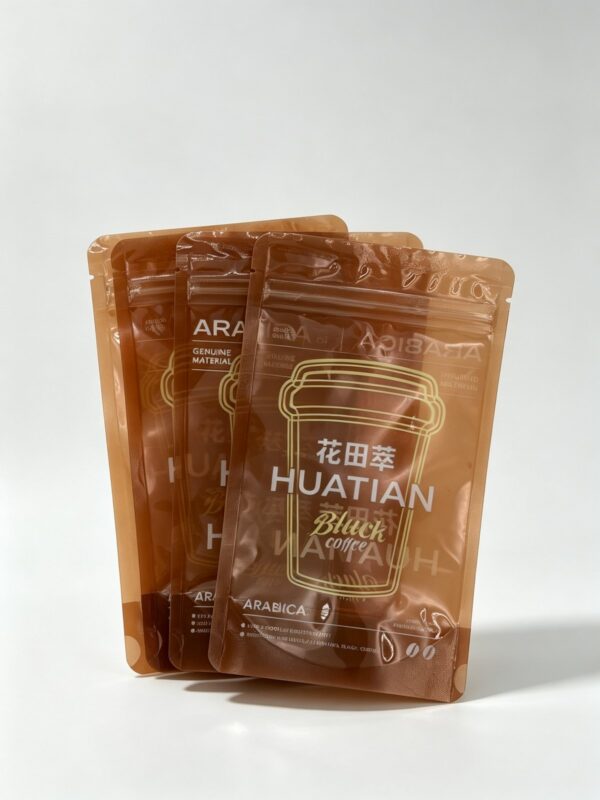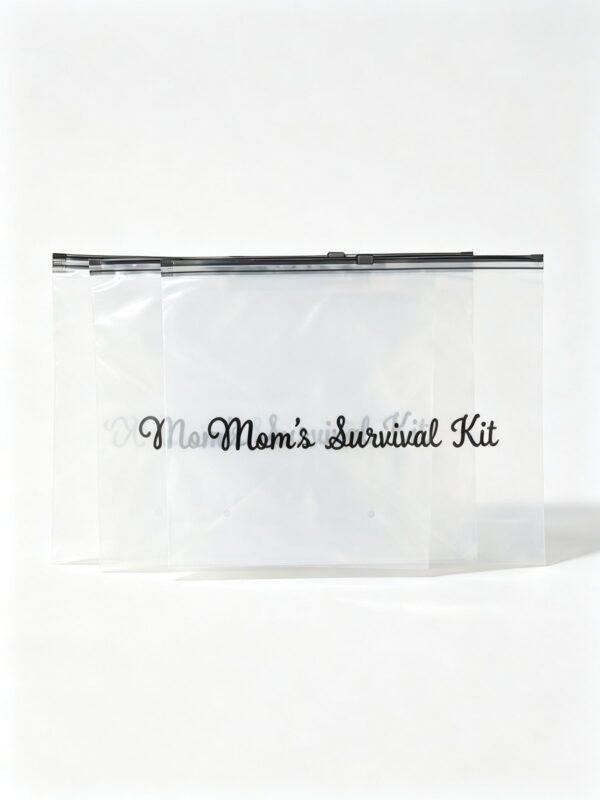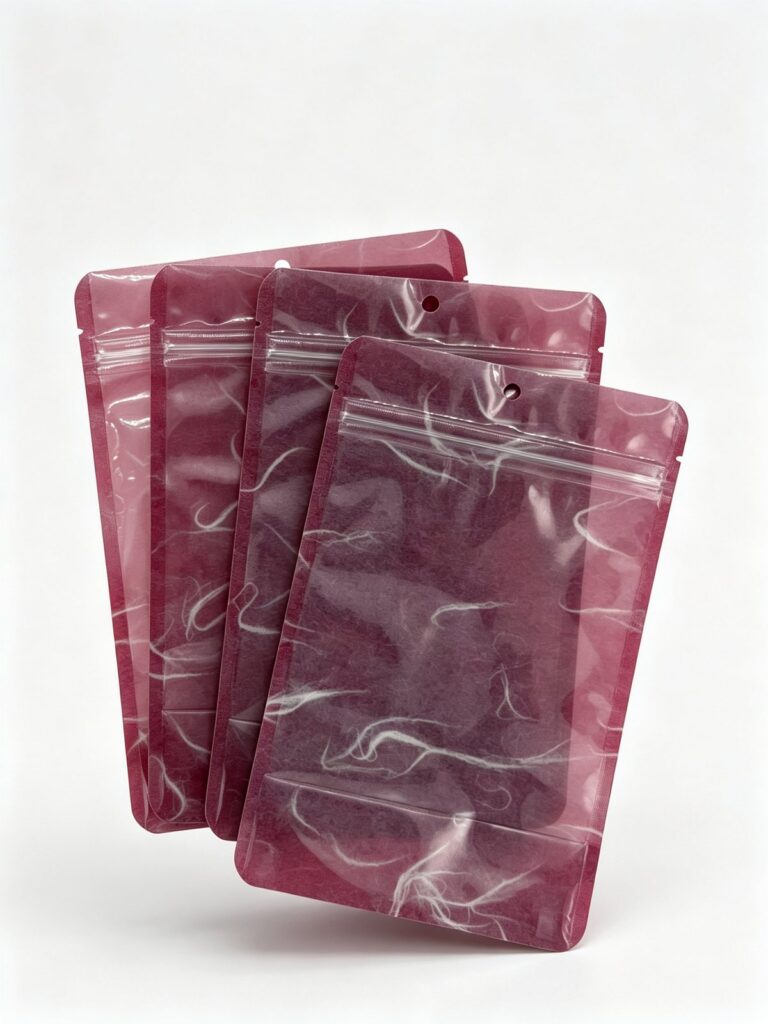
Tea packaging bags have one job: keep light, moisture and oxygen away from the leaf while holding its aroma in. Loose-leaf tea and tea bags both lose flavor once they absorb humidity or outside odors, so the right bag combines a barrier layer, a dependable seal and a format that suits how the tea is sold: a single-serve sachet, a resealable pouch for loose leaf or a paper-look bag for the shelf.
What tea needs from a packaging bag
Dried tea is hygroscopic and porous: it takes up moisture, which flattens the taste, and absorbs surrounding smells. Light and oxygen drive the slow oxidation that turns a bright green tea dull. A good tea packaging bag therefore needs:
- A moisture barrier: a PE or CPP sealing layer combined with a barrier film.
- Light blocking: a foil or metallized layer, an opaque printed film or a kraft face.
- Aroma retention: the same barrier layer plus tight heat seals.
- A closure that matches the serving pattern: sachets are sealed once; loose leaf in larger quantities needs a zipper.
Unlike freshly roasted coffee, tea does not release carbon dioxide after packing, so a one-way degassing valve is usually unnecessary.
Structures for tea packaging bags: foil, metallized and kraft
Ruixiong laminates these structures in-house; the choice falls into three groups.
Pure aluminum foil laminates (PET/AL/PE)
A true foil layer is pinhole-free and gives the highest light, moisture and oxygen barrier in a flexible bag. It suits premium loose leaf, matcha and tea with a long supply chain. Ruixiong’s three-side-seal pure foil pouch is a typical example for single-serve tea.
Metallized laminates (PET/VMPET/PE)
A metallized film carries a thin vacuum-deposited aluminum layer on PET. It blocks light almost as well as foil with good moisture and oxygen resistance at lower cost. For everyday retail tea it is often the practical middle ground; see the metallized stand-up zipper pouch.
Kraft paper laminates (Kraft/PE and Kraft/AL/PE)
Kraft outside with a plastic or foil inner gives the natural look many tea brands want. Kraft/PE offers basic moisture protection for fast-selling teas; Kraft/AL/PE adds a foil liner for longer shelf life. Paper and foil laminates are not easily recyclable; if that matters, ask about mono-material options and confirm availability for your market.
Tea bag formats and when to use them
Three-side-seal sachets for single servings
A small three-side-seal pouch holds one tea bag or one serving of loose leaf. It is the standard format for hospitality tea, sample packs and tasting sets. Each sachet is sealed once and opened once, so no zipper is needed. Ruixiong’s three-side-seal pouch series covers plain, foil and metallized versions, with an optional tear notch.
Stand-up zipper pouches for loose leaf
For loose leaf sold in larger quantities, a stand-up zipper pouch lets the customer reseal the bag after every brew. The front panel has room for the tea name, origin, brewing instructions and an optional window. The kraft stand-up zipper pouch pairs a paper face with a PET/PE inner for a natural look; fully printed and foil-look laminate versions are also available.
Kraft flat-bottom bags, with or without a valve
Flat-bottom bags stand squarely and present five printable panels, which suits premium loose leaf and gift tea. The natural kraft flat-bottom zipper pouch without a valve is the right starting point; the valve version exists for coffee and is only worth adding if a tea product genuinely off-gasses after packing, which is rare.
Tin-tie bags
A tin-tie bag closes by folding the top over a wire strip, a traditional format for tea shops and blends sold by weight. The kraft window tin-tie bag combines a moisture-proof inner coating with a clear window; the barrier is lower than a foil pouch, so it suits tea that sells through quickly.
Small foil sachets and stick packs
Powdered tea and matcha are often sold in small foil sachets or stick packs, either as finished sachets or as printed roll film for form-fill-seal machines.
Format and structure by tea type
| Tea type or serving | Suitable format | Suggested structure |
|---|---|---|
| Single tea bag or one serving of loose leaf | Three-side-seal sachet with tear notch | PET/AL/PE or PET/VMPET/PE |
| Loose-leaf green, white or oolong tea (light-sensitive) | Stand-up zipper pouch or flat-bottom bag, no valve | PET/AL/PE, or Kraft/AL/PE for a paper look |
| Loose-leaf black or herbal tea, fast turnover | Stand-up zipper pouch or tin-tie bag | PET/VMPET/PE or Kraft/PE |
| Premium gift tea | Kraft or matte flat-bottom bag, no valve | Kraft/AL/PE or matte PET/AL/PE |
| Matcha, instant tea, powdered blends | Small foil sachet or stick pack from roll film | PET/AL/PE |
Printing and finishes for tea packaging
Ruixiong prints by rotogravure on the outer film before lamination. Common choices for tea brands:
- Matte finish: a matte film or varnish gives a soft, premium feel and hides fingerprints on dark designs.
- Window: a clear window shows whole leaf or blends with petals. Keep it small on light-sensitive teas, or pair it with a foil body so only a strip is exposed.
- Kraft with print: kraft takes one- and two-color prints cleanly; heavy solids can look uneven, so many brands print only a logo and text.
Engraved cylinders are stored after the first run, so reorders are faster.
Sampling and test points
Check on samples before a production run:
- Seal integrity: fill and seal a sample on your own equipment and squeeze gently to check it holds.
- Zipper function: open and reclose repeatedly with leaf particles in the track; fine tea dust can jam poor zippers.
- Aroma check: store filled samples beside a strongly scented product for a few weeks and compare to a reference.
- Print rub resistance: rub the print with a dry and a slightly damp cloth to check the ink does not scuff.
- Machine compatibility: for automatic lines, confirm film stiffness, seal temperature and pouch dimensions with your equipment supplier.
Ruixiong can provide third-party test reports such as FDA food-contact on request, and the factory is ISO 9001 and ISO 14001 certified. Sampling can be digital or physical, and small batches run alongside volume orders.
FAQ
Do tea packaging bags need a degassing valve?
Usually not. Tea does not release gas after packing the way fresh coffee does, so a valve adds cost and a potential leak path without benefit.
Is a kraft paper bag good enough for loose-leaf tea?
It depends on the inner layer. Kraft/PE suits teas that sell quickly. For longer shelf life or delicate green teas, choose Kraft/AL/PE so a foil liner sits behind the paper.
Can I have a window on a tea bag without hurting freshness?
Yes, if the window is small and the rest of the bag is a barrier structure. Light-sensitive teas do better with a narrow window or a fully opaque bag.
What is the best format for tea samples and tasting sets?
A small three-side-seal foil sachet with a tear notch: it seals fully, protects each serving individually and prints well for variety packs.
To specify tea packaging bags for a new blend or a full range, send the tea type, serving size, target shelf life and format preferences through the contact page, and Ruixiong will propose structures and samples.